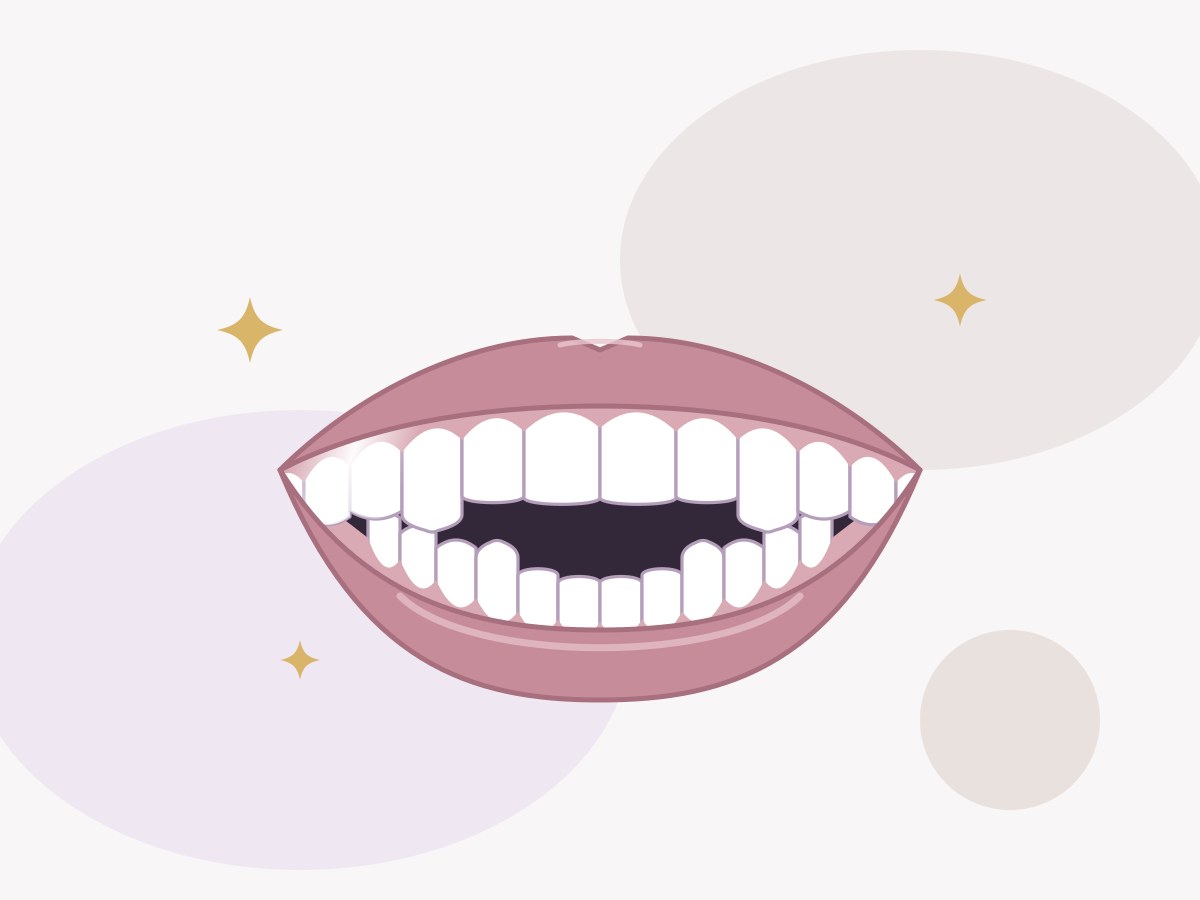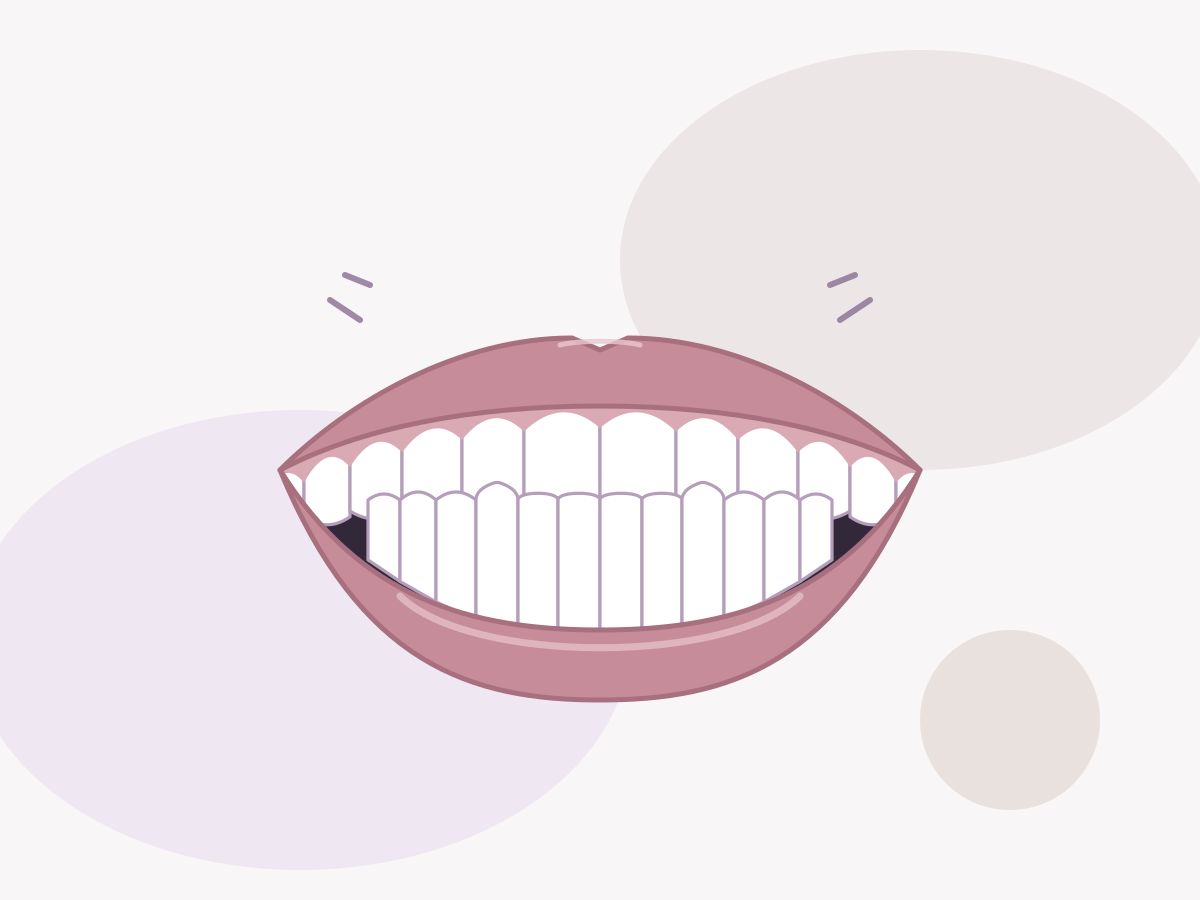
Bruxism is the habit of grinding or clenching your teeth, usually while you sleep and usually without knowing it. Over time the forces involved, which can be several times those of normal chewing, wear the teeth flat, chip enamel, break fillings and strain the jaw joints and muscles. Most people find out from a partner who hears it, or from a dentist who sees the wear.
Signs you may be grinding
- Teeth that look shorter, flatter or have small chips along the edges
- Fillings or crowns that keep breaking
- A sore or tired jaw on waking, or difficulty opening wide first thing
- Dull headaches, particularly at the temples, in the morning
- Clicking, popping or aching in the jaw joint in front of the ear
- Teeth that have become sensitive to cold
- Indentations along the sides of your tongue, or a ridge inside the cheek
Why people grind
Grinding is a reflex rather than a decision, and it has several possible drivers. Stress and anxiety are the most familiar. Disturbed sleep and breathing problems at night, including snoring and sleep apnoea, are increasingly recognised as a major cause: the jaw clenches as the body fights to keep the airway open. Caffeine, alcohol and some medications increase it. A bite that does not meet evenly can contribute. Daytime clenching, often while concentrating at a screen, is a separate habit many people do not notice.
How we assess it
At a Sleep, TMJ and Bruxism Assessment we look at the pattern of wear on your teeth, check the jaw joints and muscles, and ask about your sleep, headaches and snoring. The wear pattern tells us a lot: where the forces are going, how long it has been going on, and whether your airway may be involved. If sleep-disordered breathing seems likely we can arrange a simple at-home sleep study.
Treatment options
The first step for most patients is a custom-made occlusal splint, a slim guard worn at night that takes the force of grinding so your teeth do not. It is made from impressions or a scan of your teeth, so it fits precisely and is comfortable to sleep in, unlike shop-bought guards. Where snoring or sleep apnoea is driving the grinding, treating the airway with an anti-snoring appliance often reduces the grinding itself. Anti-wrinkle injections into the main chewing muscle can reduce clenching force for patients with severe jaw muscle pain. Teeth that have already worn or broken can be rebuilt with bonding, onlays or crowns once the grinding is under control.
Living with bruxism
- Be aware of daytime clenching: lips together, teeth apart is the resting position
- Reduce caffeine and alcohol in the evening
- Keep a regular sleep routine and tell us if you snore
- Wear your splint every night; it only works when it is in