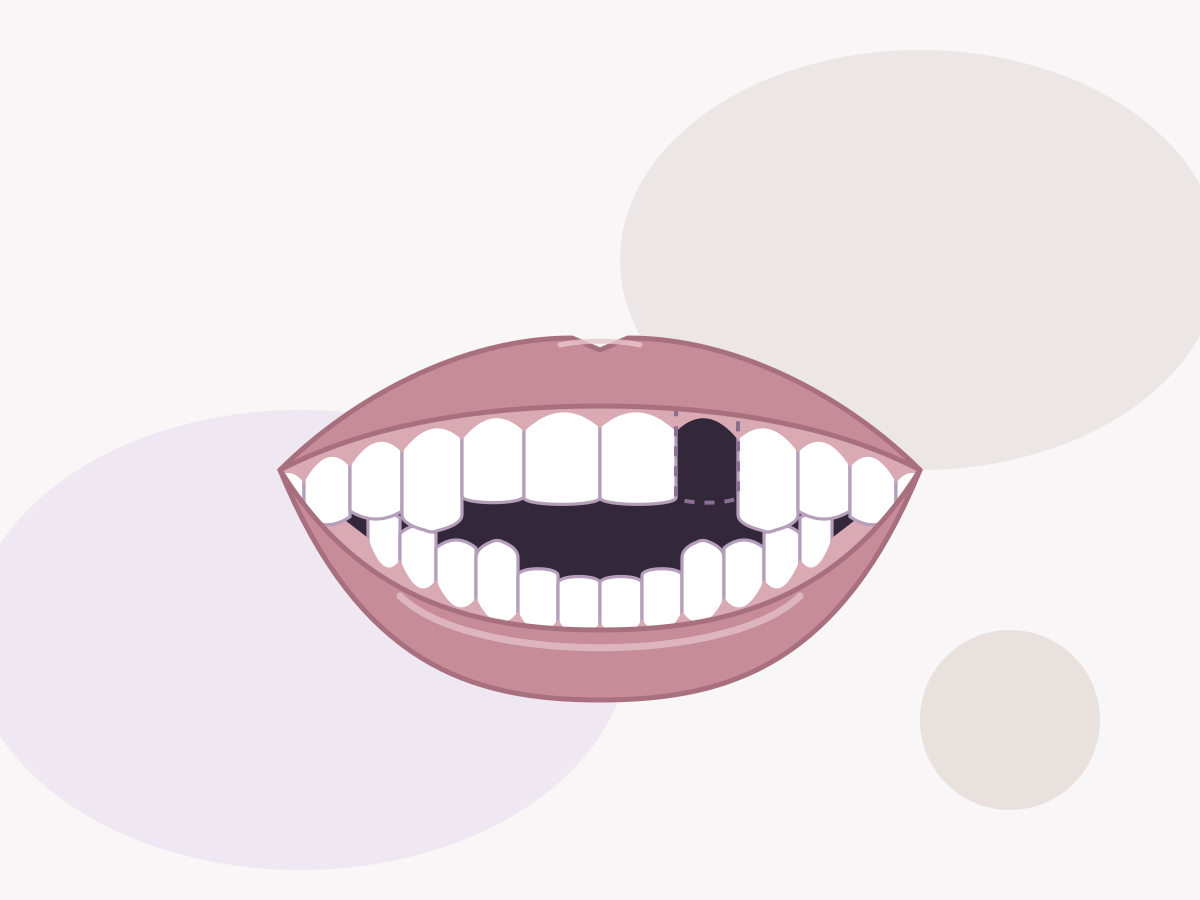
Losing a tooth, whether to decay, gum disease or an accident, affects more than your smile. The teeth either side drift into the gap, the tooth above or below over-erupts, chewing shifts to one side, and the bone where the root used to be slowly shrinks. The sooner a missing tooth is replaced, the easier the replacement is and the more of your bone you keep.
There are three well-established ways to replace missing teeth, and each has its place.
Dental implants
An implant is a small titanium post placed in the jawbone where the root used to be. Once it has fused with the bone, usually over a few months, a crown is fitted on top. The result looks, feels and works like a natural tooth: you clean it like one, it does not rely on the neighbouring teeth, and it keeps the bone in the jaw healthy. Implants can replace a single tooth, support a bridge across several missing teeth, or hold a full set of fixed teeth on four implants (All-on-4). They need healthy gums and enough bone, which is why planning starts with a consultation and a 3D scan.
Bridges
A bridge fills a gap with a false tooth anchored to the teeth on either side. A conventional bridge uses crowns on the neighbouring teeth; a Maryland bridge bonds a false tooth to the back of a neighbouring tooth with minimal preparation, and is a good choice for a single missing front tooth. Bridges are fixed, quicker than implants, and do not involve surgery, but they do rely on the teeth next door.
Dentures
A removable denture replaces one, several or all of your teeth, and remains the right choice for many patients. Modern acrylic and flexible dentures are lighter and more natural-looking than they used to be, and chrome partial dentures are slim and secure. Dentures can also be stabilised by implants, which stops them moving and makes eating far more comfortable.
Choosing between them
The right option depends on which tooth is missing, the condition of the teeth either side, the amount of bone, your general health, and your budget and timescale. At a consultation we will examine the gap, take any X-rays or scans needed, and talk through what would work for you, with honest pros and cons for each. Many patients who assume an implant is out of reach find it is more straightforward than they expected, and others are best served by a well-made bridge or denture.
If you are missing several teeth
Multiple missing teeth can be replaced with implant-supported bridges, a partial denture, or a combination. Where a whole arch is failing, All-on-4 replaces every tooth with a fixed bridge on four implants, often on the same day the remaining teeth are removed. Dr Deep Patel leads our implant treatment, and complex cases are planned jointly with the rest of the team.