
Wisdom Tooth Pain:
Causes, Relief & When To Get It Seen
Wisdom tooth pain can come on suddenly and get worse fast. At Epsom Smiles Dental we assess and treat wisdom tooth problems the same day — easing the pain and stopping small issues becoming bigger ones.
⚠ Seek Urgent Care: If you have facial swelling, fever, or difficulty swallowing or opening your mouth — call us immediately on 01372 679192. If breathing or swallowing is severely affected, go to A&E.
Why Do Wisdom Teeth Hurt?
Wisdom teeth — the four molars at the very back of your mouth — usually come through between the ages of 17 and 25. Because they're the last to arrive, there's often not enough room for them to emerge cleanly, which is the most common reason they cause pain.
Wisdom tooth pain is usually one of three things: a tooth pushing through the gum (eruption), an infection of the gum flap covering a partly-erupted tooth (pericoronitis), or decay or pressure caused by a tooth that hasn't grown straight (impaction). Pain that comes and goes is typical, but each flare-up tends to get worse.
Most wisdom tooth pain isn't dangerous, but it rarely fixes itself. The right next step is an assessment with an X-ray to find out what's actually happening and what your options are.

Signs Your Wisdom Tooth Needs Attention
Symptoms can flare up over a few days and ease off, then return — often worse. Common signs include:
- Aching or throbbing pain at the very back of the mouth, often on one side
- Pain that radiates to the ear, jaw or temple
- Red, swollen or tender gum around the back tooth — sometimes with a flap of gum over it
- Difficulty opening your mouth wide or chewing on that side
- Bad taste or bad breath caused by food or pus trapped under the gum flap
- Headache or jaw stiffness on the affected side
- Visible tooth coming through at an angle, or only part-way through
- Facial swelling, fever, or trouble swallowing — call us immediately. These can signal a spreading infection.
What's Causing the Pain?
Wisdom tooth pain almost always traces back to one of these causes — and the right treatment depends entirely on which one it is:
- Pericoronitis — infection of the gum flap covering a partly-erupted tooth. The most common cause.
- Impaction — the tooth can't grow through straight, so it pushes against neighbouring teeth or the jawbone
- Decay — wisdom teeth are hard to clean, so cavities are common (sometimes on the tooth in front too)
- Gum disease — bacteria build up around partly-erupted teeth that can't be cleaned properly
- Cyst formation — rare, but a fluid-filled sac can form around an impacted tooth
- Eruption pressure — temporary discomfort as the tooth pushes through (the only cause that may resolve on its own)
We use a small focused X-ray to see exactly what's happening below the gum — including the position of the tooth and how close it is to the jaw nerve. This is the only way to give you accurate options. Read more about signs of tooth decay if you suspect a cavity may also be involved.
What To Do While You Wait for an Appointment
A few simple steps can keep the pain manageable and stop the area getting worse:
Do This
- Rinse gently with warm salt water 2–3 times a day (especially after meals)
- Take over-the-counter painkillers — ibuprofen works well for inflammation
- Eat soft foods and chew on the opposite side
- Keep the area clean — gentle brushing with a soft brush, even if it's sore
- Book an assessment so we can X-ray the tooth and plan treatment
Avoid This
- Don't poke or prod the gum flap — it's tempting but makes inflammation worse
- Don't rely on antibiotics alone — they don't fix the underlying cause
- Don't apply heat to the outside of your face — this encourages infection to spread
- Don't ignore recurring pain that "goes away" — it almost always comes back
- Don't smoke — nicotine slows healing and makes pericoronitis harder to clear
When wisdom tooth pain is urgent: if you develop facial swelling, fever, severe difficulty opening your mouth (trismus), or have a spreading bad taste of pus, call us straight away. These can progress to a dental abscess and need same-day care.
How We Treat Wisdom Tooth Pain
The right treatment depends on what the X-ray and exam reveal. Most patients fall into one of these four paths:
Assessment & X-Ray
A focused exam and small X-ray to identify the cause — eruption, impaction, infection, or decay. Until we know what's actually going on, any "treatment" is guesswork. The assessment usually takes 20 minutes and gives you clear next steps.
Treating Pericoronitis
For inflamed gum tissue around a partly-erupted tooth, we gently clean under the gum flap, irrigate the area, and give you home-care instructions. Antibiotics may be added if infection is spreading. Many patients feel meaningful relief within 24–48 hours.
Extraction
If the tooth is impacted, decayed, or causing repeated infections, removal is usually the cleanest long-term solution. Straightforward cases are done at the practice; complex cases (close to the jaw nerve, or fully buried) are referred to a specialist oral surgeon we trust.
Monitor & Maintain
If the tooth is healthy, in a good position, and reachable to clean — sometimes the right answer is simply to keep an eye on it. We'll set up a review plan and show you exactly how to keep that area clean to prevent future flare-ups.
Why Choose Epsom Smiles Dental?
-
Same-Day Wisdom Tooth Assessments
We keep emergency slots free every day. Call us first thing and we'll do our best to see you the same day.
-
X-Ray & Diagnosis at Your First Visit
You leave knowing exactly what's going on — not just a vague prescription for painkillers.
-
Calm, Reassuring Approach
Wisdom tooth issues often need an extraction discussion. We talk through every option so you can make an informed choice without pressure.
-
Trusted Specialist Referrals
For complex impactions, we refer to oral surgeons we work with regularly — and stay involved in your aftercare.
-
Transparent Pricing
We'll provide a clear cost estimate before any treatment begins. No surprises, no hidden fees.
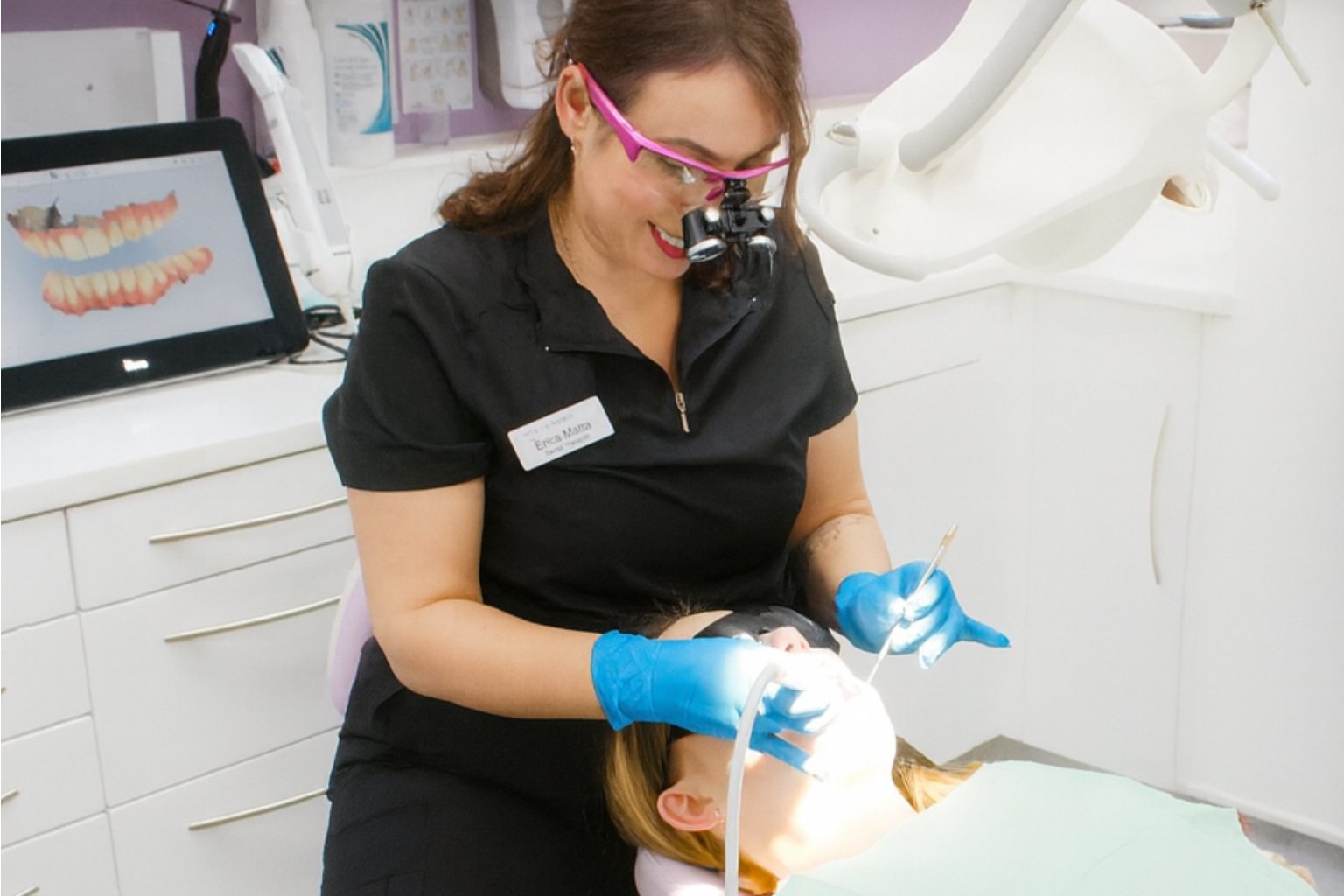
"Today I had a hygienist appointment with Matta Erica and her lovely assistant at Epsom Smiles. Not something to look forward to but the treatment was gently and kindly done! Both ladies were charming. If you’re thinking of or needing a hygienist visit I would definitely vouch for this clinic."Katie Coventry — Google Review
Wisdom Tooth Pain FAQs
Sometimes — but only in one specific case: when the pain is from a tooth pushing through cleanly with enough room. Pain caused by an infected gum flap (pericoronitis), impaction, or decay will not resolve on its own and usually returns worse. If your pain has come and gone more than once, it needs assessing.
No. Healthy wisdom teeth in a good position that are easy to clean are best left alone. We only recommend removal when there's a clear reason — recurring infection, decay, impaction causing damage to the tooth in front, or cysts. The right answer depends on what your X-ray actually shows.
Pericoronitis is inflammation and infection of the gum tissue that sits over a partly-erupted wisdom tooth. Food and bacteria collect under the flap of gum and the area becomes swollen, painful, and sore to bite on. It's the most common cause of wisdom tooth pain — and very treatable once seen.
Salt water rinses, ibuprofen, soft foods and gentle cleaning can take the edge off and keep you comfortable until you can be seen. But these don't treat the cause — only the symptoms. If pain lasts more than 2–3 days, recurs, or comes with swelling or fever, book an appointment.
Yes — straightforward extractions are done at Epsom Smiles. For complex cases (deep impaction, close to the jaw nerve, or fully buried teeth) we refer to a trusted specialist oral surgeon and stay involved in your aftercare. You won't be passed off into the unknown.
Our wisdom tooth assessment is £60 and includes a focused exam and small X-ray, so you leave with a clear diagnosis and options. Straightforward wisdom tooth removal is £500. Complex cases referred to a specialist oral surgeon are priced separately and we'll always provide a transparent estimate before any treatment begins. Call us or visit our dental prices page for the full price list.
It can be. Most wisdom tooth pain isn't life-threatening, but it should be assessed within a few days — sooner if there's facial swelling, fever, or trouble opening your mouth. If those symptoms appear, treat it as urgent and call us straight away. See our emergency dentist page for same-day options.
Yes — we welcome new and non-registered patients for wisdom tooth assessments and emergencies. Contact us directly and we'll do our best to see you as soon as possible.
You May Also Be Looking For
Wisdom Tooth Pain in Epsom?
We Can See You Today.
Most wisdom tooth pain is straightforward once it's been assessed. The hard part is waiting. Call us or book online — same-day assessments are available and new patients are always welcome.
Or email us at enquiries@epsomsmilesdental.co.uk