
Teeth Grinding Epsom | Bruxism Causes, Symptoms & Treatment | Epsom Smiles Dental

Bite Assessment & Night Guards Available

Teeth Grinding in Epsom:
Bruxism Causes, Symptoms & Treatment

Waking up with jaw pain, headaches, or worn-down teeth? You may be grinding your teeth without knowing it. At Epsom Smiles, we can diagnose bruxism and protect your teeth before serious damage is done.

Cracked or broken tooth from grinding? Call us for a same-day emergency appointment: 01372 679192. We'll assess the damage and relieve your pain.

Custom Night GuardsMade In-House
Full Bite AssessmentIncluded
New PatientsAlways Welcome
Epsom Town CentreEasy to Reach
5-StarGoogle Reviews

Teeth Grinding Is More Common Than You Think — and More Damaging

Teeth grinding (bruxism) affects an estimated 8–10% of adults in the UK, though many never realise they do it — especially when it happens during sleep. The forces involved in grinding can be up to ten times greater than normal chewing, which is why it can cause significant damage over time.

The good news: once identified, bruxism is very manageable. A custom-made night guard protects your teeth from further wear, and addressing the underlying causes — stress, bite misalignment, or sleep issues — can reduce the habit itself.

If grinding has already caused a toothache or cracked tooth, read our guide to toothache in Epsom or contact us for an emergency appointment — these may need more urgent treatment.
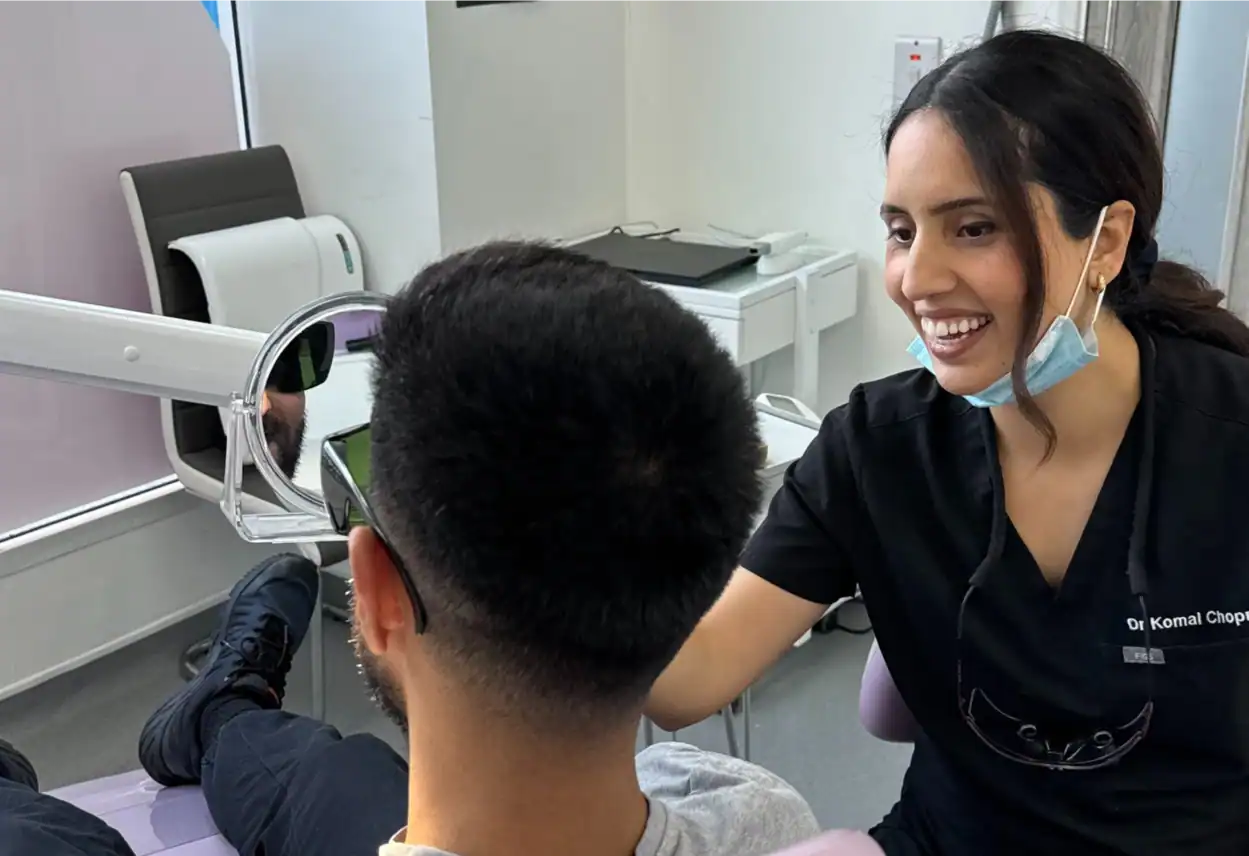
Dental consultation for teeth grinding at Epsom Smiles Dental in Epsom

What Causes Teeth Grinding?

Bruxism rarely has a single cause — it's usually a combination of factors working together.

Stress & Anxiety

The most common trigger. Emotional stress causes jaw muscle tension, especially at night. Many people grind more during stressful periods at work or in their personal lives — and stop when the stress eases.

Bite Misalignment (Malocclusion)

When your upper and lower teeth don't meet evenly, the jaw muscles can overwork trying to find a comfortable resting position. This creates a grinding or clenching pattern that may persist even during sleep.

Sleep Disorders

Sleep bruxism is strongly linked to disrupted sleep patterns, particularly obstructive sleep apnoea. Micro-arousals during the night trigger rhythmic jaw muscle activity — grinding episodes that the sleeper is unaware of.

Lifestyle Factors

Excessive caffeine intake, alcohol consumption, smoking, and recreational drug use (particularly stimulants) are all associated with increased bruxism. Reducing or eliminating these can significantly help.

Medications

Certain medications — particularly some antidepressants (SSRIs), antipsychotics, and stimulant medications for ADHD — can cause or worsen bruxism as a side effect. If you suspect this, speak to your GP.

Habit & Posture

Daytime clenching often starts as an unconscious habit — concentrating at a screen, driving, or exercising. Poor head and neck posture can also contribute by altering the resting position of the jaw.

Sleep Bruxism vs Awake Bruxism

Teeth grinding happens in two distinct forms — each with different causes and management approaches.

Nocturnal — Most Common

Sleep Bruxism

Happens unconsciously during sleep — you may not know you do it until a partner notices, or your dentist spots the wear patterns. Associated with sleep disruption and micro-arousals. Usually involves rhythmic grinding movements. A custom night guard is the primary protection, along with addressing sleep quality and stress.

Daytime — Often Overlooked

Awake Bruxism

Involves clenching (more than grinding) during waking hours — typically during concentration, stress, or physical effort. Many people are unaware they do it until jaw pain or headaches become persistent. Management focuses on awareness techniques, posture correction, and stress reduction, sometimes combined with a daytime splint.

Already noticing damage? If you can see flat, worn tooth surfaces, chips on your front teeth, or cracks in fillings — the grinding has been going on for some time. Book an appointment now to prevent further damage and protect what's left.

Signs You May Be Grinding Your Teeth

Most people don't realise they grind. Watch for these telltale signs:

  • Waking up with a sore jaw, stiff neck, or dull headache, especially around the temples
  • Worn, flat, or shortened teeth that may look chipped or uneven along the biting edges
  • Tooth sensitivity that has gradually worsened, particularly to cold drinks or air — grinding wears the enamel and exposes dentine
  • Cracked or fractured teeth or fillings, especially repeated fractures in the same area
  • Clicking, popping, or pain in the jaw joint (TMJ) when opening wide or chewing
  • Indentations on the tongue or ridging on the inside of the cheeks from habitual clenching
  • A partner reporting grinding noises during the night that you're unaware of
  • Earache-like pain with no underlying ear infection

How We Treat Teeth Grinding at Epsom Smiles

Treatment starts with understanding the type, severity, and cause of your bruxism. We'll examine your teeth for wear patterns, assess your bite, and check your jaw joint — then recommend a plan tailored to you.

  • Custom-made night guard (occlusal splint). A precisely fitted guard worn during sleep that absorbs the grinding forces and prevents further tooth damage. Far more effective than over-the-counter options because it's made from impressions of your teeth for an exact fit.
  • Bite assessment and adjustment. If an uneven bite is contributing, we can identify high spots and adjust the way your teeth meet. This reduces the muscle tension that drives grinding.
  • Repair of existing damage. Worn, chipped, or cracked teeth may need composite bonding, crowns, or replacement fillings. We'll stabilise the grinding first, then restore what's been damaged.
  • Jaw muscle relaxation and Botox. We can guide you through exercises and awareness techniques to relieve tension in the masseter and temporalis muscles. For more persistent cases, Botox injections into the jaw muscles can significantly reduce clenching force and provide lasting relief.
  • Referral where needed. If we suspect sleep apnoea, TMJ disorder, or medication-related bruxism, we'll refer you to the right specialist for further investigation.

Not sure whether your symptoms are from grinding? A check-up is the quickest way to find out. Our new patient check-up is currently 50% off — we'll assess your teeth, bite, and jaw in one appointment.

Why Choose Epsom Smiles Dental?

  • Custom Night Guards — Not One-Size-Fits-All

    We take precise impressions so your guard fits perfectly and is comfortable enough to actually wear. A well-made guard is the single most effective way to prevent grinding damage.

  • Thorough Bite and Jaw Assessment

    We don't just hand you a guard and send you home. We examine how your teeth meet, check your jaw joint for clicking or tenderness, and look for the underlying causes — not just the symptoms.

  • Restorative Options to Fix the Damage

    If grinding has already worn down or cracked your teeth, we can restore them with bonding, veneers, or crowns — once the grinding itself is managed to prevent repeated damage.

  • New Patients Always Welcome

    You don't need to be a registered patient to book. If you suspect you're grinding and want it checked, call us and we'll arrange an appointment.

  • Transparent Pricing — Always Explained Before We Begin

    No surprises. We'll walk you through the cost of any treatment before we start. Night guard pricing is straightforward, and finance options are available if needed.

★★★★★
"I was waking up every morning with terrible jaw ache and headaches. The team at Epsom Smiles fitted me with a night guard and explained everything clearly. Within a week the pain had stopped completely. Wish I'd gone sooner."
Google Review

Teeth Grinding FAQs

Most people find out from a partner who hears the grinding, or from their dentist who spots characteristic wear patterns on the teeth. Common morning signs include jaw soreness, dull headaches around the temples, and stiff neck muscles. If you're noticing any of these regularly, it's worth getting checked.

Yes. Over time, bruxism can wear down enamel significantly, crack teeth, fracture fillings, and cause irreversible damage to the jaw joint (TMJ). The enamel that is ground away cannot regrow. This is why early intervention — typically with a custom night guard — is so important.

A custom night guard (occlusal splint) is a thin, hard or semi-rigid appliance that fits over your upper or lower teeth. It doesn't stop you grinding — but it absorbs the grinding forces so your teeth and jaw joint are protected. Most patients find it comfortable within a few nights and notice a significant reduction in jaw pain and headaches.

In short, no. Over-the-counter "boil and bite" guards are not made to measure, which means they offer no real protection and can actually cause more damage to your jaw joints and muscles. Because they're soft and poorly fitted, they often encourage more clenching rather than less. Most are a gimmick that simply doesn't work — money wasted. A custom-made guard from your dentist is precisely fitted from impressions of your teeth, far thinner, genuinely comfortable, and actually does the job it's supposed to do.

Absolutely — stress and anxiety are the most common triggers for bruxism. During stressful periods, jaw muscle tension increases, particularly at night when conscious control is absent. Stress management, relaxation techniques, and exercise can all help reduce grinding alongside dental treatment.

Custom night guards at Epsom Smiles are competitively priced. The exact cost depends on the type of splint recommended. We'll always give you a clear price before starting, and finance options are available. Check our fees page for current pricing or call us to ask.

Yes — bruxism is common in children, particularly during the mixed-dentition phase when baby teeth and adult teeth coexist. Most children grow out of it without treatment. However, if your child frequently complains of jaw pain or headaches, or you notice significant tooth wear, it's worth having them assessed.

Grinding Your Teeth?
Let's Protect Them Before More Damage Is Done.

A custom night guard is the most effective way to stop grinding damage in its tracks. Book a consultation today — new patients are always welcome and we'll give you a clear plan and price before any treatment begins.

Or email us at enquiries@epsomsmilesdental.co.uk
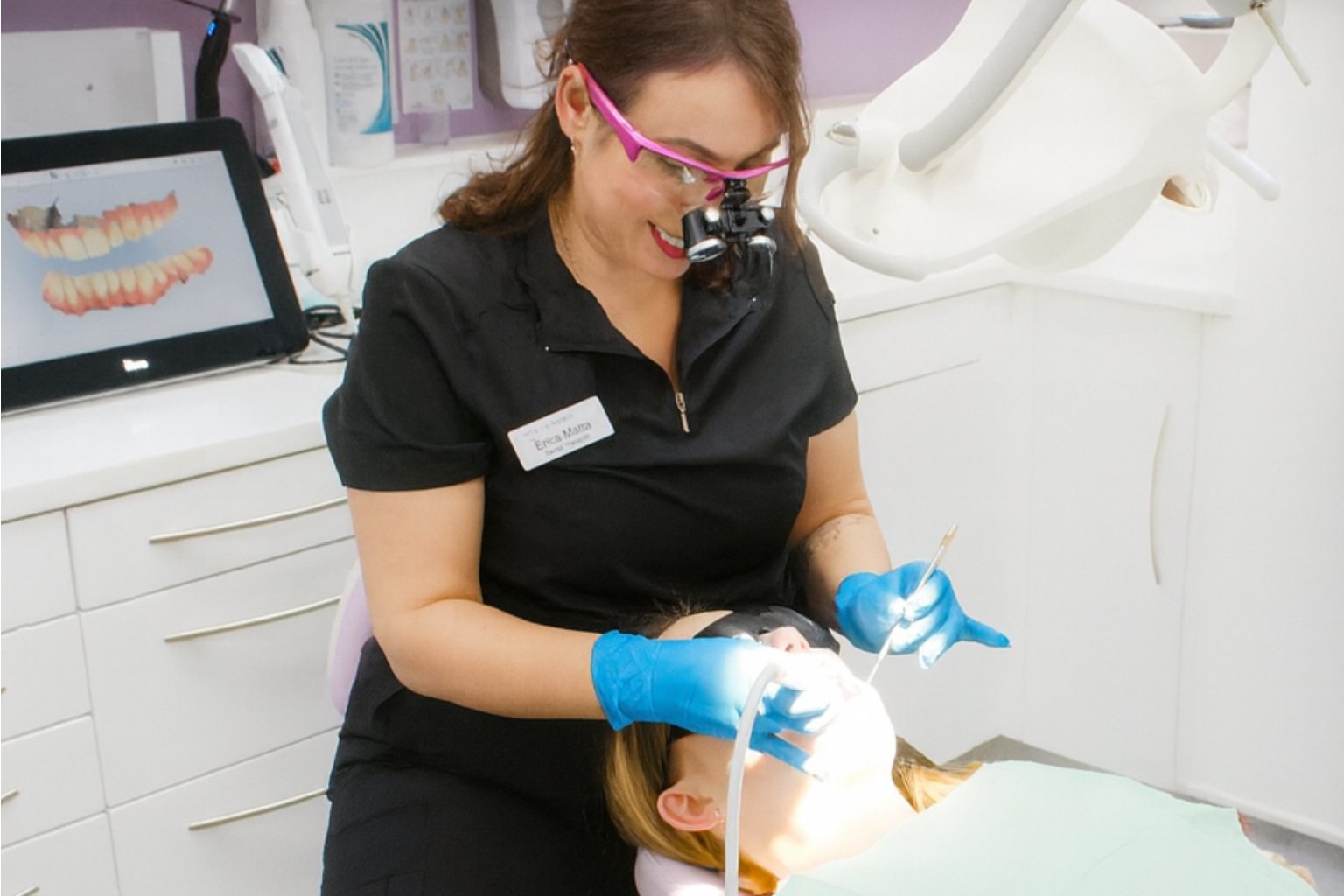
Dental Abscess Treatment Epsom | Epsom Smiles Dental

Dental Abscess Treatment Epsom | Same-Day Emergency Appointments | Epsom Smiles
Same-Day Emergency Appointments Available

Dental Abscess & Tooth Infection:
Symptoms, Treatment & What To Do

A dental abscess is a serious infection that won't resolve on its own. At Epsom Smiles Dental we offer same-day emergency appointments for patients in pain. If you suspect a tooth infection, don't wait.

⚠ Medical Emergency: If swelling is affecting your breathing or swallowing — go to A&E immediately. For all other symptoms call us now: 01372 679192 — same-day appointments available.

Same-Day SlotsEmergency Appointments
New PatientsAlways Welcome
Epsom Town CentreEasy to Reach
TransparentPricing, Always
5-StarGoogle Reviews

What Is a Dental Abscess?

A dental abscess is a pocket of pus caused by a bacterial infection. It can form inside a tooth (periapical abscess), in the gum tissue (periodontal abscess), or in the surrounding bone. Abscesses are one of the most common reasons patients seek emergency dental care — and one of the most important to treat promptly.

Unlike a toothache , an abscess is an active infection. Left untreated, the infection can spread to the jaw, neck, or — in rare cases — become life-threatening. The infection will not go away without professional dental treatment.

Abscesses do not resolve on their own. The infection will worsen without treatment. If you're in pain, please call us on 01372 679192 — same-day appointments are available.

Calm dental consultation at Epsom Smiles Dental Practice

Signs You Might Have a Dental Abscess

Not all abscesses cause severe pain — some present as a dull ache or intermittent discomfort. Common symptoms include:

  • Persistent, throbbing toothache that may radiate to the jaw, ear, or neck
  • Severe sensitivity to hot, cold, or pressure
  • Swelling in the face, cheek, or jaw — often warm to the touch
  • Swollen, tender lymph nodes under your jaw or in your neck
  • A raised pimple-like bump on the gum (may indicate a draining abscess)
  • Bad taste or bad breath caused by pus draining from the site
  • Fever and feeling generally unwell — the infection may be spreading
  • Difficulty swallowing or opening your mouth — go to A&E immediately. This is a medical emergency.

What Causes a Tooth Abscess?

Dental abscesses are caused by bacteria entering the tooth or gum tissue, usually due to one of the following:

  • Untreated tooth decay — bacteria reach the inner pulp of the tooth
  • A cracked or broken tooth — creating a pathway for bacteria
  • Severe gum disease (periodontitis) — bacteria build up in deep gum pockets
  • A failed or damaged filling — if bacteria get underneath
  • Trauma to the tooth — even old injuries can lead to delayed infection

Anyone can develop a dental abscess, but the risk increases when dental treatment is delayed. Regular check-ups are the most effective prevention — our new patient check-up is currently 50% off.

What To Do If You Think You Have a Dental Abscess

Contact your dentist as soon as possible. While you wait for your appointment:

Do This

  • Rinse gently with warm salt water to soothe the area and reduce bacteria
  • Take over-the-counter painkillers (ibuprofen or paracetamol) as directed
  • Call your dentist — same-day appointments available at Epsom Smiles
  • Go to A&E immediately if swelling affects your breathing or swallowing
  • Rest and stay hydrated while waiting for your appointment

Avoid This

  • Don't try to burst or drain the abscess yourself — this can spread infection
  • Don't ignore the pain hoping it will resolve on its own
  • Don't rely on antibiotics alone — they cannot cure an abscess
  • Don't apply heat to the swelling — this encourages the infection to spread
  • Don't delay — abscesses worsen quickly and become more complex to treat

Important: Antibiotics alone will not cure a dental abscess. They may temporarily reduce symptoms, but the source of infection must be treated by a dentist. Always seek dental treatment alongside any prescribed antibiotics.

How Is a Dental Abscess Treated?

Treatment depends on the severity and location of the infection. At Epsom Smiles we'll assess you promptly and recommend the most appropriate course of action.

Root Canal Treatment

If the abscess has developed inside the tooth, root canal treatment removes the infected pulp, cleans and disinfects the root canals, and seals the tooth. This saves the tooth and eliminates the infection at its source. Modern root canal treatment is no more uncomfortable than a standard filling.

Drainage

For a gum abscess or where there is significant pus build-up, your dentist may make a small incision to drain the infection. This provides rapid relief from pressure and pain and is often the first step in treatment.

Tooth Extraction

If the tooth cannot be saved, extraction may be the best option to remove the infection completely. We will always discuss replacement options — such as a dental implant or bridge — if appropriate for your situation.

Antibiotics

Antibiotics may be prescribed alongside treatment if the infection is spreading or to prevent complications — but they are a support, not a cure. Dental treatment is always required to address the source of infection.

Why Choose Epsom Smiles Dental?

  • Same-Day & Next-Day Emergency Appointments

    We keep emergency slots available every day. Call us first thing and we'll do our best to see you the same day.

  • Calm, Reassuring Approach

    Dental anxiety is common, especially with emergency visits. Our team is experienced at putting nervous patients at ease.

  • Convenient Epsom Town Centre Location

    Easy to reach with parking nearby and a short walk from Epsom Station — no complicated journey when you're in pain.

  • Transparent Pricing — Explained Before We Begin

    We'll provide a clear cost estimate before any treatment begins. No surprises, no hidden fees.

  • New & Non-Registered Patients Welcome

    You don't need to be an existing patient to be seen for a dental emergency. Contact us and we'll arrange an appointment.

Dentist at Epsom Smiles Dental Practice
★★★★★
"Today I had a hygienist appointment with Matta Erica and her lovely assistant at Epsom Smiles. Not something to look forward to but the treatment was gently and kindly done! Both ladies were charming. If you’re thinking of or needing a hygienist visit I would definitely vouch for this clinic."
Katie Coventry — Google Review

Dental Abscess FAQs

Common signs include a throbbing toothache , facial swelling, fever, sensitivity to pressure and a bad taste in your mouth. You may also notice a raised bump on your gum. If you have any of these symptoms, contact your dentist as soon as possible — same-day appointments are available at Epsom Smiles.

No. A dental abscess is a bacterial infection that requires professional treatment. While symptoms may appear to ease if the abscess drains on its own, the underlying infection remains and will return — often worse. Without treatment, the infection can spread to surrounding teeth, the jaw, and in serious cases, beyond.

Antibiotics can help control the spread of infection, but they cannot cure a dental abscess. The source of infection — inside the tooth or gum — must be treated by a dentist. Antibiotics are usually prescribed alongside dental treatment, not instead of it.

Yes. A dental abscess should be treated urgently. If left untreated, the infection can spread to surrounding teeth, bone, and in serious cases to the neck or jaw. If swelling is affecting your breathing or swallowing, go to A&E immediately. For all other symptoms, call your dentist as soon as possible.

Costs vary depending on the treatment required. We will always provide a clear cost estimate before any treatment begins. Please call us or visit our fees page for current pricing.

The infection will not clear up on its own and can worsen significantly. Risks include the spread of infection to the jaw and neck (Ludwig's angina), sepsis in severe cases, and tooth loss. Early treatment is always simpler, less invasive, and less costly than treating advanced infection.

Yes — we welcome new patients and those not currently registered with us for emergency appointments. Contact us directly and we'll do our best to see you as soon as possible. You don't need to be an existing patient to receive emergency dental care at Epsom Smiles.

Dental Abscess in Epsom?
We Can See You Today.

A dental abscess is an emergency. The sooner it's treated, the simpler the treatment. Call us now or book online — same-day appointments are available and new patients are always welcome.

Or email us at enquiries@epsomsmilesdental.co.uk
When to See a Dentist: Tooth Pain, Bleeding Gums & Emergencies

Patient Guide

When to See a Dentist: Tooth Pain, Bleeding Gums & Dental Emergencies

Many people delay when to visit the dentist, hoping pain will pass on its own. In reality, most dental problems get worse — and more expensive — when ignored. If you’re dealing with tooth pain, bleeding gums, swelling, or a damaged tooth, this guide explains exactly when you should book a dental appointment.

dentist consultation for dental exam and emegency advice

Dont wait for dental pain to get worse

Early treatment prevents infection, tooth loss and costly procedures.

Persistent Toothache: When Pain Means a Problem

A toothache lasting longer than 24–48 hours is rarely harmless.

Common causes include:

When to book immediately:

Bleeding Gums Are a Warning Sign — Not Normal

If your gums bleed when brushing or flossing, it’s a warning sign — not something to brush off.

Bleeding gums can indicate:

Early gum treatment is simple. Late treatment is not.

Swelling, Abscesses & Infections Are Dental Emergencies

Swelling in the gums, face, or jaw is a red flag. Dental infections can spread quickly if left untreated. If you have severe pain, pus, fever, or swelling, you should seek urgent dental care.

Facial swelling​

Fever with tooth pain

Pus / bad taste

Pain spreading to jaw/ear

Broken, Chipped or Loose Teeth Need Fast Attention

Whether it’s sports, an accident, or biting something hard — damaged teeth need attention quickly. Even if it doesn’t hurt yet, damage below the surface can worsen silently.

Why speed matters:

Why Early Dental Visits Save You Money

Delaying treatment almost always costs more. Early visits often mean smaller, simpler procedures.

How Often Should You See a Dentist?

Most dental problems start without pain.

Protect your smile before problems escalate

Friendly team • Modern clinic • Clear treatment plans

Frequently Asked Questions

When should I see a dentist for tooth pain?

If tooth pain lasts longer than 24–48 hours, worsens at night, or hurts when biting, you should book an appointment immediately.

Is bleeding when brushing normal?
No. Bleeding gums are often an early sign of gum disease and should be checked by a dentist.
What counts as a dental emergency?
Swelling, abscesses, severe pain, broken teeth, or infections with fever require urgent dental care.
 
Can dental problems go away on their own?
Most dental problems worsen if left untreated. Early care is always simpler and cheaper.