A chipped tooth is one of the most common things we see, whether from an unexpected olive stone, a hockey stick, or years of grinding at night. Most chips are small, painless and straightforward to repair, and repairing them early stops a small problem from becoming a larger one.
Types of chip
Not all chips are the same, and the right repair depends on what has broken:
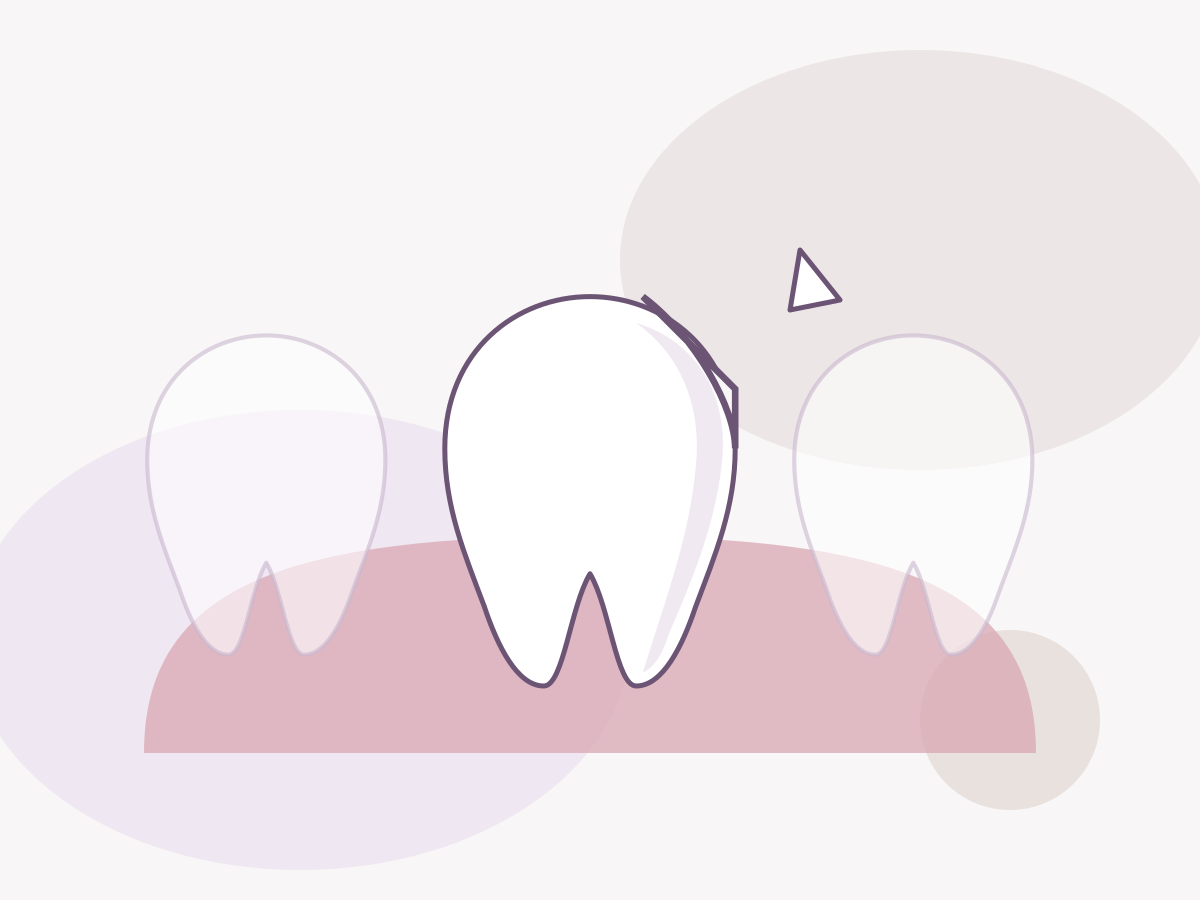
- A small chip in the enamel at the edge or corner of a tooth. Usually painless, sometimes with a rough edge you can feel with your tongue.
- A larger chip that exposes the dentine underneath. Often sensitive to cold and sweet things.
- A fracture that reaches the nerve, or a crack running down the tooth. Painful on biting and needs seeing promptly.
- A chip on a tooth that already has a large filling, where the remaining tooth has given way.
What to do straight away
Rinse your mouth with warm water. If there is a sharp edge, a little sugar-free chewing gum or dental wax over it will protect your tongue and cheek until you are seen. If you can find the broken piece, keep it in milk; occasionally it can be bonded back. Avoid biting on the tooth and stick to softer foods.
If the tooth is painful, bleeding from inside, or a large part has broken away, call us the same day.
How we assess it
We will check how much of the tooth has gone, whether the nerve is involved, and whether the chip is a one-off or a sign that your bite or grinding is putting your teeth under strain. An X-ray tells us whether the root has been affected. Then we will show you the options and what each involves.
Repair options
Small to medium chips are usually repaired with composite bonding: tooth-coloured resin shaped onto the tooth and set hard with a light, all in a single visit and matched to the shade of the tooth. Larger chips on front teeth may be better served by a porcelain veneer, which covers the whole front surface and gives the most natural, long-lasting finish. A back tooth that has lost a lot of structure is usually protected with a crown or onlay, so it does not break further under chewing forces.
If the nerve has been exposed, the tooth may need root canal treatment before it is rebuilt. If grinding caused the chip, we will talk about a night splint so the repair, and the rest of your teeth, last.
Preventing the next one
- Do not use your teeth to open packets or bite nails
- Wear a mouthguard for contact sports; a custom-made one fits far better than a shop-bought one
- If you grind or clench, a night splint protects your teeth
- Have large old fillings checked regularly; they are the teeth most likely to break