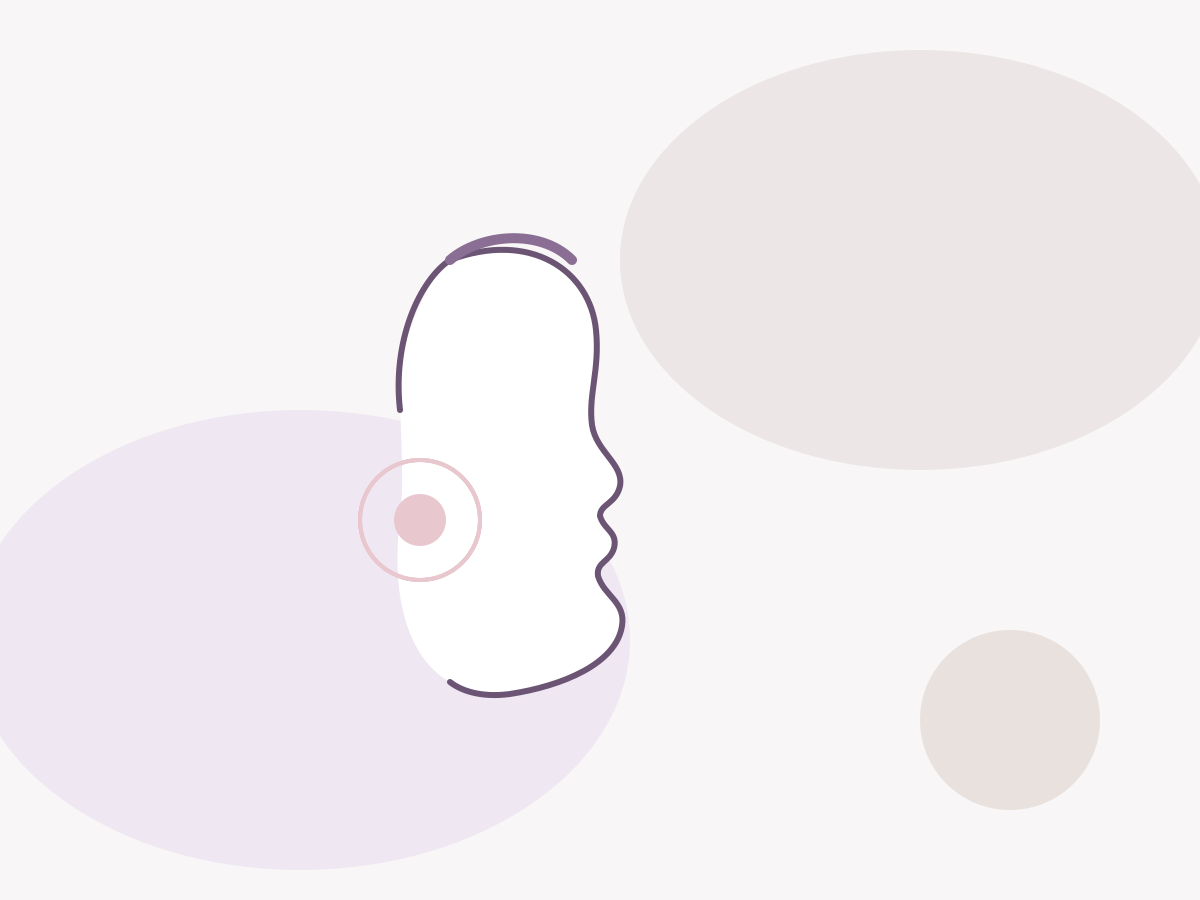
The temporomandibular joints, one on each side just in front of the ear, are the hinges that let your jaw open, close and slide. They are among the most used joints in the body, and when they or the muscles that move them are strained, the result is a cluster of symptoms that can be surprisingly wide-ranging: pain in the jaw or face, clicking or locking, headaches, earache, neck tension, and difficulty opening wide or chewing. Together these are called temporomandibular disorders, or TMD.
Why jaws hurt
Most TMD is muscular. Clenching and grinding, particularly at night, overwork the chewing muscles, which become tight and tender in the same way an overused shoulder does. Stress is the most common driver, and disturbed sleep and breathing problems at night are increasingly recognised as another. A bite that does not meet evenly, a missing back tooth, a habit of chewing gum or pens, forward head posture from screen work, and old injuries such as whiplash can all contribute. Within the joint itself, the small cartilage disc can slip, which causes the clicking, and in some people arthritis affects the joint surfaces.
How we assess it
At a Sleep, TMJ and Bruxism Assessment we feel the joints and muscles, watch how your jaw opens and moves, listen for clicks, check your bite and look for the wear that grinding leaves on teeth. We will ask about headaches, sleep, snoring and stress. Occasionally imaging is needed, but most TMD is diagnosed from the history and examination.
Treatment
The good news is that most jaw pain settles with simple, conservative treatment. A custom-made splint worn at night rests the muscles and protects the joint; a soft TMJ splint suits an acute, painful episode, while a firmer occlusal splint is better for long-term grinding. Alongside that we will show you how to rest the jaw, with a soft diet for a while, no gum, and awareness of daytime clenching, and simple stretches and heat for the muscles. Anti-inflammatory painkillers help in a flare-up. Where a tight jaw muscle is the main problem, anti-wrinkle treatment into the muscle can reduce clenching force and ease pain. If snoring or sleep apnoea is driving the clenching, treating the airway often resolves the jaw pain too.
Surgery for TMD is rare and reserved for specific joint problems; we will refer you to a specialist if that is ever appropriate.