Dry Mouth Epsom | Causes, Relief & Protecting Your Teeth | Epsom Smiles

Woman in her late 50s drinking a glass of water at a bright kitchen table, with a coffee cup and medication blister pack beside her in a calm home setting.
Dry Mouth Epsom | Causes, Relief & Protecting Your Teeth | Epsom Smiles
Find the Cause, Not Just the Symptom

Dry Mouth in Epsom:
More Than a Nuisance

A sticky, parched feeling that water never quite fixes. Waking at night to drink. Food that's harder to swallow than it used to be. Dry mouth is one of the most common — and most overlooked — causes of tooth decay in adults, and it's almost always manageable once we know what's driving it.

Noticed new decay, fillings, or sensitivity alongside a dry mouth? The two are usually connected — and the sooner we protect the teeth, the simpler it stays. Call us: 01372 679192.

Cause-First ApproachNot Just Symptom Relief
Experienced TeamHygienist Support In-House
New PatientsAlways Welcome
Epsom Town CentreEasy to Reach
5-StarGoogle Reviews

Saliva Does More Than You Think

Saliva is your mouth's built-in defence system. It washes away food and sugar, neutralises the acid that causes decay, repairs early enamel damage with minerals, keeps gums comfortable, and makes chewing, swallowing, and even tasting possible. Most people produce over a litre of it a day without ever noticing.

When saliva drops — a condition dentists call xerostomia — all of that protection drops with it. Teeth that were healthy for decades can suddenly develop decay around the gum line, gums become more inflamed, dentures stop gripping, and bad breath appears for no obvious reason. The mouth feels the symptom; the teeth pay the price.

What an assessment involves: we look at your medical history and medications, examine the pattern of any decay or gum changes, and check denture fit and comfort where relevant. You'll leave with a clear picture of what's causing the dryness and a plan to protect your teeth. See our fees for full transparency.
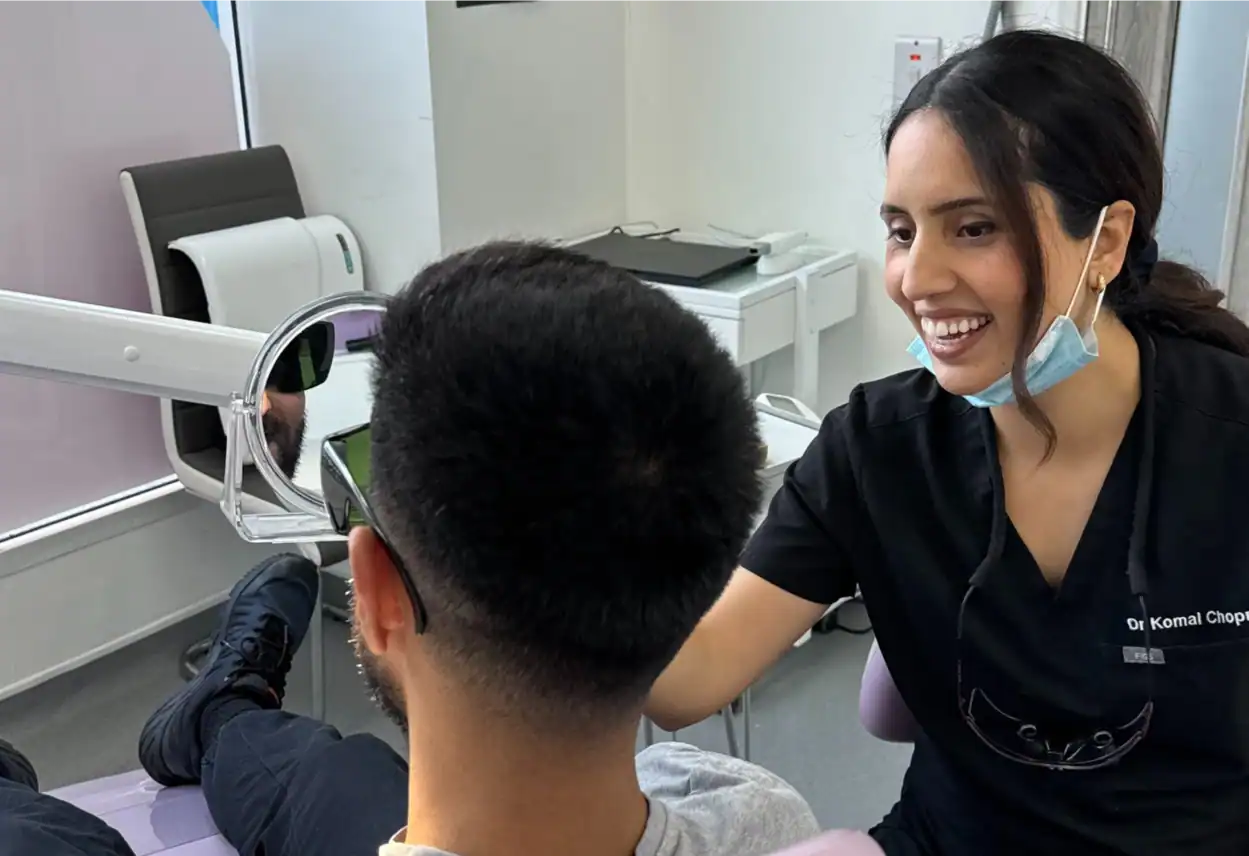
Dental consultation for dry mouth assessment at Epsom Smiles Dental in Epsom

Why Your Mouth Gets Dry

Dry mouth is a symptom, not a diagnosis — and the cause shapes the treatment. These are the six we see most often, and many patients have more than one at the same time.

Medications

By far the most common cause. Hundreds of everyday medicines list dry mouth as a side effect — antidepressants, blood pressure tablets, antihistamines, bladder medication, painkillers, and inhalers among them. The more medications you take, the stronger the effect.

Dehydration & Lifestyle

Caffeine, alcohol, and smoking all reduce saliva or dry the mouth directly. Alcohol-based mouthwashes — ironically marketed for fresh breath — often make dryness worse. Simply not drinking enough water through the day plays a part too.

Mouth Breathing & Snoring

If you breathe through your mouth at night — because of a blocked nose, snoring, or sleep apnoea — saliva evaporates for hours at a time. This is the classic cause of waking with a parched mouth and needing water on the bedside table.

Medical Conditions

Diabetes (especially when blood sugar runs high), Sjögren's syndrome, thyroid problems, and anxiety can all reduce saliva. Sometimes a persistently dry mouth is the first clue — which is one reason we take it seriously rather than dismissing it.

Cancer Treatment

Radiotherapy to the head or neck can affect the salivary glands directly, and some chemotherapy drugs reduce saliva temporarily. If you're having or have had treatment, a tailored prevention plan protects your teeth through it.

Age & Multiple Medicines

Saliva production doesn't fall much with age on its own — but the number of medications usually rises, and the effects stack. That's why dry mouth is so common over 60, and why it's worth managing rather than accepting.

Take regular medication? Never stop or change a prescription because of a dry mouth — speak to your GP or pharmacist, who can often adjust the dose or switch to an alternative. Our job is to protect your teeth while the cause is sorted.

How Dry Mouth Shows Up

Most people with dry mouth don't describe it as "dry mouth" — they notice two or three of these instead:

  • A sticky, parched feeling — especially when talking for a while, and water only helps for a few minutes.
  • Waking at night needing to drink — the bedside water glass is the single most common giveaway we hear.
  • Dry food is harder to swallow — crackers, bread, and biscuits seem to need a drink with every bite.
  • Food doesn't taste quite right — saliva carries flavour to your taste buds, so less saliva means duller or altered taste.
  • Bad breath that brushing doesn't fix — without saliva washing them away, odour-producing bacteria thrive. More in our bad breath guide.
  • Cracked lips or sore corners of the mouth — dryness extends beyond the mouth itself, and the corners can crack and become inflamed.
  • A burning or tingling tongue — a dry, slightly raw sensation, sometimes with redness or a smooth-looking tongue.
  • Dentures that rub or won't stay put — saliva is part of what holds a denture in place; without it, even well-made dentures lose grip.
  • A sudden run of new decay or sensitivity — fillings needed after years without any, often near the gum line. This is the sign that matters most. See our guide to tooth decay.

The pattern is the diagnosis. If two or more of these sound familiar, it's worth an assessment — dry mouth is very manageable once the cause is identified. New patients always welcome.

What Dry Mouth Does to Your Teeth

The dryness itself is uncomfortable — but the knock-on effects are why dentists treat dry mouth as a real condition rather than a quirk.

Effect 1 — The Big One

Rapid Tooth Decay

Without saliva neutralising acid and repairing enamel, decay develops faster and in unusual places — typically around the gum line and the edges of existing fillings. Patients who were cavity-free for decades can develop several at once. Early signs are covered in our tooth decay guide.

Effect 2 — Often Silent

Gum Inflammation

Saliva helps control the bacteria that inflame gums. A dry mouth tips the balance, and gums that were stable for years can start to bleed when brushing. If that sounds familiar, read our bleeding gums guide.

Effect 3 — Easily Treated

Oral Thrush

A dry mouth is an easier home for the yeast that causes thrush — creamy white patches that wipe away leaving redness, or a sore, burning tongue. Common in denture wearers, people with diabetes, and inhaler users. Antifungal treatment plus managing the dryness usually clears it.

Effect 4 — Daily Comfort

Soreness, Ulcers & Denture Trouble

Dry tissues are fragile tissues. Mouth ulcers heal more slowly, dentures rub where they used to glide, and long conversations or meals become tiring. Small changes — gels, saliva substitutes, denture adjustments — make a surprising difference.

Throbbing pain, swelling, or a tooth that suddenly hurts to bite on? Decay that's been quietly progressing can reach the nerve. Read our guides to toothache and dental abscess, or call us straight away.

Managing Dry Mouth — At Home and With Us

There are two halves to treating dry mouth: relieving the dryness day-to-day, and protecting your teeth while saliva is low. Most patients get meaningful relief from a handful of simple changes — and the tooth protection is where we come in.

  • Sip water regularly — don't gulp. Frequent small sips through the day keep tissues moist far better than occasional large drinks. Keep water by the bed for night-time dryness.
  • Chew sugar-free gum or xylitol sweets. Chewing is the single best natural trigger for saliva. Xylitol has the bonus of actively reducing decay-causing bacteria.
  • Use saliva substitutes and gels. Sprays, gels, and lozenges (available from any pharmacy) coat and moisten the mouth for hours — particularly useful overnight. We'll recommend specific products at your assessment.
  • Switch to an alcohol-free mouthwash. Alcohol-based rinses dry the mouth further. An alcohol-free fluoride mouthwash freshens and protects without the rebound dryness.
  • Cut back on caffeine, alcohol, and smoking. All three reduce saliva or dry tissues directly. Even moving from four coffees to two makes a noticeable difference for many patients.
  • Run a humidifier at night if you mouth-breathe. And if snoring or a permanently blocked nose is the cause, it's worth raising with your GP — treating that treats the dry mouth too.
  • Use a high-fluoride toothpaste. For patients with dry mouth and decay risk, we can prescribe a stronger fluoride toothpaste than anything available on the shelf — one of the most effective protections there is.
  • Keep up regular check-ups and hygiene visits. Dry mouth decay moves quickly, so we watch more closely — catching anything early keeps treatment small. See why regular visits matter even more with a dry mouth.

Curious about cost? Our fees page has full pricing for check-ups, hygiene visits, and any treatment, and payment plans are available. You'll always have a clear written price before anything starts — no surprises.

Why Choose Epsom Smiles for Dry Mouth?

  • We Look for the Cause, Not Just the Symptom

    Medication review, medical history, decay pattern, denture fit — we piece together why your mouth is dry, because the cause decides the plan. Where the cause is medical, we'll write to your GP with what we've found.

  • Prevention That's Actually Prescribed

    High-fluoride toothpaste on prescription, targeted hygiene support, and specific product recommendations — not a generic "drink more water" and a leaflet.

  • We Watch the Teeth That Are at Risk

    Dry mouth decay starts at the gum line and moves fast. We monitor the susceptible surfaces at every check-up so anything new is caught while it's still a small fix.

  • Denture Wearers Are Well Looked After

    Loose, rubbing dentures are one of the most life-limiting effects of a dry mouth. We adjust, reline, or remake dentures so eating and speaking feel normal again.

  • Transparent Pricing — No Surprises

    You'll know the cost of any recommended treatment before we start. Our fees page is fully transparent, and finance options are available when needed.

★★★★★
"I'd put the constant dry mouth down to age until I suddenly needed three fillings in a year. Epsom Smiles linked it to my blood pressure tablets, prescribed a stronger toothpaste, and recommended a gel for nighttime. Two years on — no new decay and I finally sleep through."
Google Review

Dry Mouth FAQs

Night-time dryness usually means one of two things: you're breathing through your mouth while you sleep (often because of a blocked nose or snoring), or a medication taken in the evening is reducing saliva just as production naturally dips overnight. A saliva gel before bed and a humidifier help with the symptom — and if snoring is the cause, treating that treats the dryness too.

Hundreds do — the most common culprits are antidepressants, blood pressure medications, antihistamines, bladder medications, strong painkillers, and some inhalers. The effect also stacks: three medications with a mild drying effect can add up to a very dry mouth. Bring your medication list to your appointment and we'll identify the likely contributors.

Yes — it's one of the strongest decay risk factors there is. Saliva neutralises acid, washes away sugar, and repairs early enamel damage. Remove it and teeth that were stable for decades can develop decay within months, typically around the gum line. The good news: high-fluoride toothpaste, saliva stimulation, and closer monitoring counter the risk very effectively. See our tooth decay guide for the early signs.

Sip water frequently rather than gulping occasionally, chew sugar-free gum or xylitol sweets to stimulate saliva, use a pharmacy saliva gel or spray (especially at night), switch to an alcohol-free mouthwash, and cut back on caffeine, alcohol, and smoking. Most patients feel a real difference within a week or two of combining a few of these.

No — never stop or change a prescribed medication on your own. Speak to your GP or pharmacist: they can often lower the dose, switch you to an alternative with less drying effect, or change when you take it. In the meantime, we'll protect your teeth so the dry mouth doesn't do lasting damage while the medication question is sorted.

Usually it's medication, lifestyle, or mouth breathing — not serious, but worth managing. Occasionally a persistently dry mouth points to an underlying condition such as diabetes or Sjögren's syndrome, particularly when it comes with dry eyes or joint aches. If the pattern suggests it, we'll recommend seeing your GP and write to them with our findings — most patients appreciate having something concrete to take to that conversation.

An alcohol-free fluoride mouthwash. Alcohol-based rinses make dryness worse — they freshen for minutes, then dry the tissues further. Several brands make ranges specifically for dry mouth, often paired with gels and sprays from the same line. We'll recommend specific products at your assessment based on how dry your mouth is and when it bothers you most.

Yes, very commonly. Saliva constantly rinses away the bacteria that produce odour — without it, they multiply, which is also why "morning breath" exists even in healthy mouths. If your breath has changed and your mouth feels dry, treating the dryness usually treats the breath. Our bad breath guide covers the other causes.

Four main ways: identifying the cause (medication review, decay pattern, medical history), prescribing high-fluoride toothpaste that's stronger than anything on the shelf, providing closer monitoring and hygiene support so decay is caught early, and fixing the knock-on effects — adjusting dentures, treating thrush, and repairing any decay that's already started. Dry mouth is very manageable; the key is not ignoring it.

A Dry Mouth Is Manageable.
Ignoring It Is the Expensive Part.

One assessment finds the likely cause, sets up the right relief, and puts protection around your teeth before decay gets a head start. New patients always welcome.

Or email us at enquiries@epsomsmilesdental.co.uk
Teeth Grinding Epsom | Bruxism Causes, Symptoms & Treatment | Epsom Smiles Dental

Bite Assessment & Night Guards Available

Teeth Grinding in Epsom:
Bruxism Causes, Symptoms & Treatment

Waking up with jaw pain, headaches, or worn-down teeth? You may be grinding your teeth without knowing it. At Epsom Smiles, we can diagnose bruxism and protect your teeth before serious damage is done.

Cracked or broken tooth from grinding? Call us for a same-day emergency appointment: 01372 679192. We'll assess the damage and relieve your pain.

Custom Night GuardsMade In-House
Full Bite AssessmentIncluded
New PatientsAlways Welcome
Epsom Town CentreEasy to Reach
5-StarGoogle Reviews

Teeth Grinding Is More Common Than You Think — and More Damaging

Teeth grinding (bruxism) affects an estimated 8–10% of adults in the UK, though many never realise they do it — especially when it happens during sleep. The forces involved in grinding can be up to ten times greater than normal chewing, which is why it can cause significant damage over time.

The good news: once identified, bruxism is very manageable. A custom-made night guard protects your teeth from further wear, and addressing the underlying causes — stress, bite misalignment, or sleep issues — can reduce the habit itself.

If grinding has already caused a toothache or cracked tooth, read our guide to toothache in Epsom or contact us for an emergency appointment — these may need more urgent treatment.

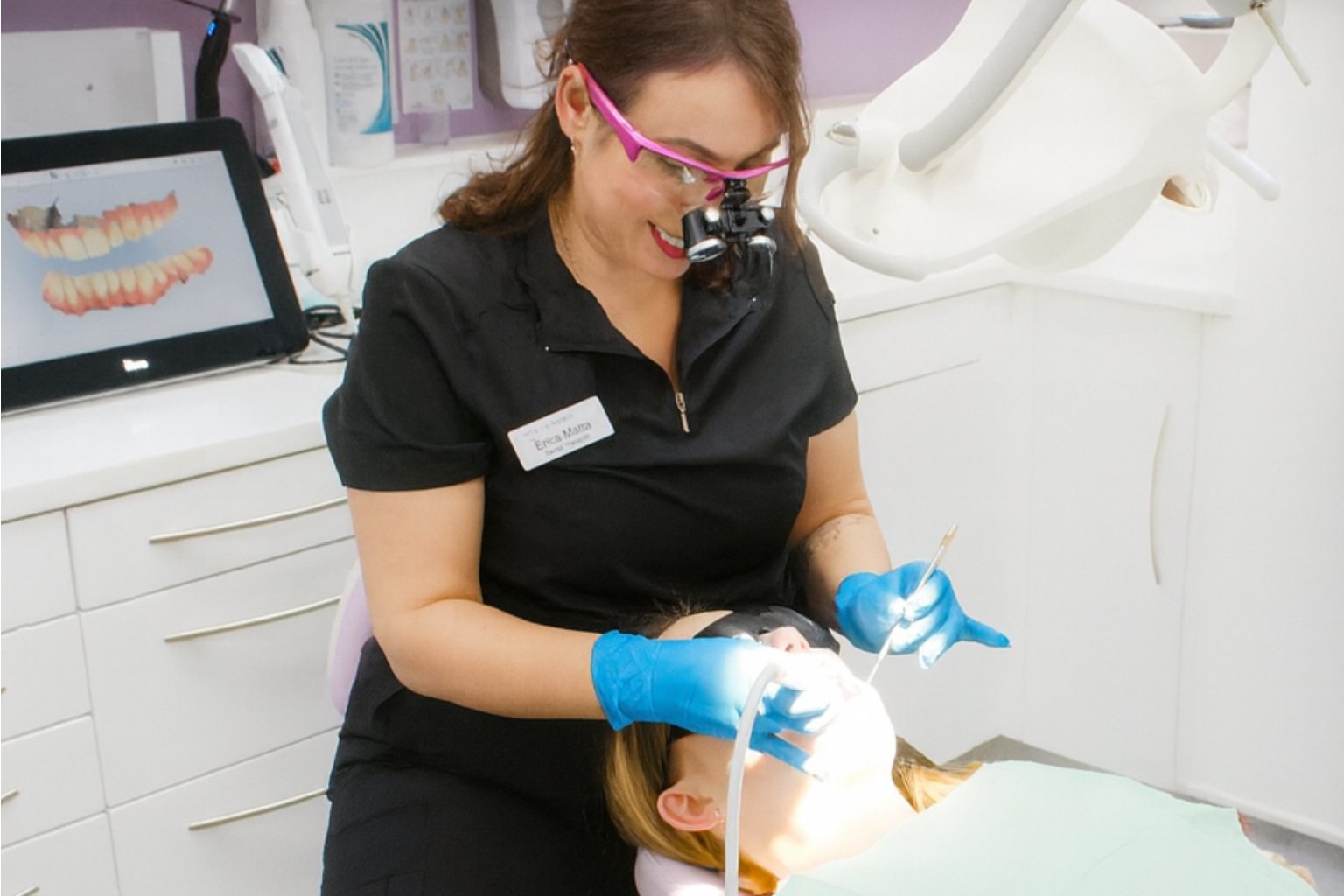
Dental consultation for teeth grinding at Epsom Smiles Dental in Epsom

What Causes Teeth Grinding?

Bruxism rarely has a single cause — it's usually a combination of factors working together.

Stress & Anxiety

The most common trigger. Emotional stress causes jaw muscle tension, especially at night. Many people grind more during stressful periods at work or in their personal lives — and stop when the stress eases.

Bite Misalignment (Malocclusion)

When your upper and lower teeth don't meet evenly, the jaw muscles can overwork trying to find a comfortable resting position. This creates a grinding or clenching pattern that may persist even during sleep.

Sleep Disorders

Sleep bruxism is strongly linked to disrupted sleep patterns, particularly obstructive sleep apnoea. Micro-arousals during the night trigger rhythmic jaw muscle activity — grinding episodes that the sleeper is unaware of.

Lifestyle Factors

Excessive caffeine intake, alcohol consumption, smoking, and recreational drug use (particularly stimulants) are all associated with increased bruxism. Reducing or eliminating these can significantly help.

Medications

Certain medications — particularly some antidepressants (SSRIs), antipsychotics, and stimulant medications for ADHD — can cause or worsen bruxism as a side effect. If you suspect this, speak to your GP.

Habit & Posture

Daytime clenching often starts as an unconscious habit — concentrating at a screen, driving, or exercising. Poor head and neck posture can also contribute by altering the resting position of the jaw.

Sleep Bruxism vs Awake Bruxism

Teeth grinding happens in two distinct forms — each with different causes and management approaches.

Nocturnal — Most Common

Sleep Bruxism

Happens unconsciously during sleep — you may not know you do it until a partner notices, or your dentist spots the wear patterns. Associated with sleep disruption and micro-arousals. Usually involves rhythmic grinding movements. A custom night guard is the primary protection, along with addressing sleep quality and stress.

Daytime — Often Overlooked

Awake Bruxism

Involves clenching (more than grinding) during waking hours — typically during concentration, stress, or physical effort. Many people are unaware they do it until jaw pain or headaches become persistent. Management focuses on awareness techniques, posture correction, and stress reduction, sometimes combined with a daytime splint.

Already noticing damage? If you can see flat, worn tooth surfaces, chips on your front teeth, or cracks in fillings — the grinding has been going on for some time. Book an appointment now to prevent further damage and protect what's left.

Signs You May Be Grinding Your Teeth

Most people don't realise they grind. Watch for these telltale signs:

  • Waking up with a sore jaw, stiff neck, or dull headache, especially around the temples
  • Worn, flat, or shortened teeth that may look chipped or uneven along the biting edges
  • Tooth sensitivity that has gradually worsened, particularly to cold drinks or air — grinding wears the enamel and exposes dentine
  • Cracked or fractured teeth or fillings, especially repeated fractures in the same area
  • Clicking, popping, or pain in the jaw joint (TMJ) when opening wide or chewing
  • Indentations on the tongue or ridging on the inside of the cheeks from habitual clenching
  • A partner reporting grinding noises during the night that you're unaware of
  • Earache-like pain with no underlying ear infection

How We Treat Teeth Grinding at Epsom Smiles

Treatment starts with understanding the type, severity, and cause of your bruxism. We'll examine your teeth for wear patterns, assess your bite, and check your jaw joint — then recommend a plan tailored to you.

  • Custom-made night guard (occlusal splint). A precisely fitted guard worn during sleep that absorbs the grinding forces and prevents further tooth damage. Far more effective than over-the-counter options because it's made from impressions of your teeth for an exact fit.
  • Bite assessment and adjustment. If an uneven bite is contributing, we can identify high spots and adjust the way your teeth meet. This reduces the muscle tension that drives grinding.
  • Repair of existing damage. Worn, chipped, or cracked teeth may need composite bonding, crowns, or replacement fillings. We'll stabilise the grinding first, then restore what's been damaged.
  • Jaw muscle relaxation and Botox. We can guide you through exercises and awareness techniques to relieve tension in the masseter and temporalis muscles. For more persistent cases, Botox injections into the jaw muscles can significantly reduce clenching force and provide lasting relief.
  • Referral where needed. If we suspect sleep apnoea, TMJ disorder, or medication-related bruxism, we'll refer you to the right specialist for further investigation.

Not sure whether your symptoms are from grinding? A check-up is the quickest way to find out. Our new patient check-up is currently 50% off — we'll assess your teeth, bite, and jaw in one appointment.

Why Choose Epsom Smiles Dental?

  • Custom Night Guards — Not One-Size-Fits-All

    We take precise impressions so your guard fits perfectly and is comfortable enough to actually wear. A well-made guard is the single most effective way to prevent grinding damage.

  • Thorough Bite and Jaw Assessment

    We don't just hand you a guard and send you home. We examine how your teeth meet, check your jaw joint for clicking or tenderness, and look for the underlying causes — not just the symptoms.

  • Restorative Options to Fix the Damage

    If grinding has already worn down or cracked your teeth, we can restore them with bonding, veneers, or crowns — once the grinding itself is managed to prevent repeated damage.

  • New Patients Always Welcome

    You don't need to be a registered patient to book. If you suspect you're grinding and want it checked, call us and we'll arrange an appointment.

  • Transparent Pricing — Always Explained Before We Begin

    No surprises. We'll walk you through the cost of any treatment before we start. Night guard pricing is straightforward, and finance options are available if needed.

★★★★★
"I was waking up every morning with terrible jaw ache and headaches. The team at Epsom Smiles fitted me with a night guard and explained everything clearly. Within a week the pain had stopped completely. Wish I'd gone sooner."
Google Review

Teeth Grinding FAQs

Most people find out from a partner who hears the grinding, or from their dentist who spots characteristic wear patterns on the teeth. Common morning signs include jaw soreness, dull headaches around the temples, and stiff neck muscles. If you're noticing any of these regularly, it's worth getting checked.

Yes. Over time, bruxism can wear down enamel significantly, crack teeth, fracture fillings, and cause irreversible damage to the jaw joint (TMJ). The enamel that is ground away cannot regrow. This is why early intervention — typically with a custom night guard — is so important.

A custom night guard (occlusal splint) is a thin, hard or semi-rigid appliance that fits over your upper or lower teeth. It doesn't stop you grinding — but it absorbs the grinding forces so your teeth and jaw joint are protected. Most patients find it comfortable within a few nights and notice a significant reduction in jaw pain and headaches.

In short, no. Over-the-counter "boil and bite" guards are not made to measure, which means they offer no real protection and can actually cause more damage to your jaw joints and muscles. Because they're soft and poorly fitted, they often encourage more clenching rather than less. Most are a gimmick that simply doesn't work — money wasted. A custom-made guard from your dentist is precisely fitted from impressions of your teeth, far thinner, genuinely comfortable, and actually does the job it's supposed to do.

Absolutely — stress and anxiety are the most common triggers for bruxism. During stressful periods, jaw muscle tension increases, particularly at night when conscious control is absent. Stress management, relaxation techniques, and exercise can all help reduce grinding alongside dental treatment.

Custom night guards at Epsom Smiles are competitively priced. The exact cost depends on the type of splint recommended. We'll always give you a clear price before starting, and finance options are available. Check our fees page for current pricing or call us to ask.

Yes — bruxism is common in children, particularly during the mixed-dentition phase when baby teeth and adult teeth coexist. Most children grow out of it without treatment. However, if your child frequently complains of jaw pain or headaches, or you notice significant tooth wear, it's worth having them assessed.

Grinding Your Teeth?
Let's Protect Them Before More Damage Is Done.

A custom night guard is the most effective way to stop grinding damage in its tracks. Book a consultation today — new patients are always welcome and we'll give you a clear plan and price before any treatment begins.

Or email us at enquiries@epsomsmilesdental.co.uk
Dental Abscess Treatment Epsom | Epsom Smiles Dental

Dental Abscess Treatment Epsom | Same-Day Emergency Appointments | Epsom Smiles
Same-Day Emergency Appointments Available

Dental Abscess & Tooth Infection:
Symptoms, Treatment & What To Do

A dental abscess is a serious infection that won't resolve on its own. At Epsom Smiles Dental we offer same-day emergency appointments for patients in pain. If you suspect a tooth infection, don't wait.

⚠ Medical Emergency: If swelling is affecting your breathing or swallowing — go to A&E immediately. For all other symptoms call us now: 01372 679192 — same-day appointments available.

Same-Day SlotsEmergency Appointments
New PatientsAlways Welcome
Epsom Town CentreEasy to Reach
TransparentPricing, Always
5-StarGoogle Reviews

What Is a Dental Abscess?

A dental abscess is a pocket of pus caused by a bacterial infection. It can form inside a tooth (periapical abscess), in the gum tissue (periodontal abscess), or in the surrounding bone. Abscesses are one of the most common reasons patients seek emergency dental care — and one of the most important to treat promptly.

Unlike a toothache , an abscess is an active infection. Left untreated, the infection can spread to the jaw, neck, or — in rare cases — become life-threatening. The infection will not go away without professional dental treatment.

Abscesses do not resolve on their own. The infection will worsen without treatment. If you're in pain, please call us on 01372 679192 — same-day appointments are available.

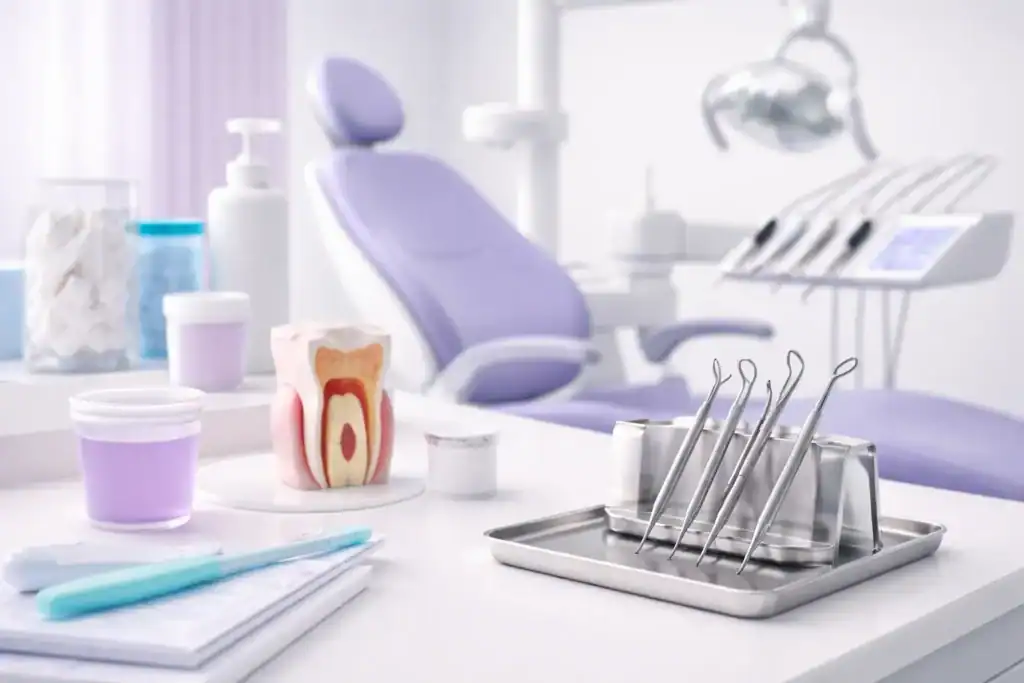
Calm dental consultation at Epsom Smiles Dental Practice

Signs You Might Have a Dental Abscess

Not all abscesses cause severe pain — some present as a dull ache or intermittent discomfort. Common symptoms include:

  • Persistent, throbbing toothache that may radiate to the jaw, ear, or neck
  • Severe sensitivity to hot, cold, or pressure
  • Swelling in the face, cheek, or jaw — often warm to the touch
  • Swollen, tender lymph nodes under your jaw or in your neck
  • A raised pimple-like bump on the gum (may indicate a draining abscess)
  • Bad taste or bad breath caused by pus draining from the site
  • Fever and feeling generally unwell — the infection may be spreading
  • Difficulty swallowing or opening your mouth — go to A&E immediately. This is a medical emergency.

What Causes a Tooth Abscess?

Dental abscesses are caused by bacteria entering the tooth or gum tissue, usually due to one of the following:

  • Untreated tooth decay — bacteria reach the inner pulp of the tooth
  • A cracked or broken tooth — creating a pathway for bacteria
  • Severe gum disease (periodontitis) — bacteria build up in deep gum pockets
  • A failed or damaged filling — if bacteria get underneath
  • Trauma to the tooth — even old injuries can lead to delayed infection

Anyone can develop a dental abscess, but the risk increases when dental treatment is delayed. Regular check-ups are the most effective prevention — our new patient check-up is currently 50% off.

What To Do If You Think You Have a Dental Abscess

Contact your dentist as soon as possible. While you wait for your appointment:

Do This

  • Rinse gently with warm salt water to soothe the area and reduce bacteria
  • Take over-the-counter painkillers (ibuprofen or paracetamol) as directed
  • Call your dentist — same-day appointments available at Epsom Smiles
  • Go to A&E immediately if swelling affects your breathing or swallowing
  • Rest and stay hydrated while waiting for your appointment

Avoid This

  • Don't try to burst or drain the abscess yourself — this can spread infection
  • Don't ignore the pain hoping it will resolve on its own
  • Don't rely on antibiotics alone — they cannot cure an abscess
  • Don't apply heat to the swelling — this encourages the infection to spread
  • Don't delay — abscesses worsen quickly and become more complex to treat

Important: Antibiotics alone will not cure a dental abscess. They may temporarily reduce symptoms, but the source of infection must be treated by a dentist. Always seek dental treatment alongside any prescribed antibiotics.

How Is a Dental Abscess Treated?

Treatment depends on the severity and location of the infection. At Epsom Smiles we'll assess you promptly and recommend the most appropriate course of action.

Root Canal Treatment

If the abscess has developed inside the tooth, root canal treatment removes the infected pulp, cleans and disinfects the root canals, and seals the tooth. This saves the tooth and eliminates the infection at its source. Modern root canal treatment is no more uncomfortable than a standard filling.

Drainage

For a gum abscess or where there is significant pus build-up, your dentist may make a small incision to drain the infection. This provides rapid relief from pressure and pain and is often the first step in treatment.

Tooth Extraction

If the tooth cannot be saved, extraction may be the best option to remove the infection completely. We will always discuss replacement options — such as a dental implant or bridge — if appropriate for your situation.

Antibiotics

Antibiotics may be prescribed alongside treatment if the infection is spreading or to prevent complications — but they are a support, not a cure. Dental treatment is always required to address the source of infection.

Why Choose Epsom Smiles Dental?

  • Same-Day & Next-Day Emergency Appointments

    We keep emergency slots available every day. Call us first thing and we'll do our best to see you the same day.

  • Calm, Reassuring Approach

    Dental anxiety is common, especially with emergency visits. Our team is experienced at putting nervous patients at ease.

  • Convenient Epsom Town Centre Location

    Easy to reach with parking nearby and a short walk from Epsom Station — no complicated journey when you're in pain.

  • Transparent Pricing — Explained Before We Begin

    We'll provide a clear cost estimate before any treatment begins. No surprises, no hidden fees.

  • New & Non-Registered Patients Welcome

    You don't need to be an existing patient to be seen for a dental emergency. Contact us and we'll arrange an appointment.

Dentist at Epsom Smiles Dental Practice
★★★★★
"Today I had a hygienist appointment with Matta Erica and her lovely assistant at Epsom Smiles. Not something to look forward to but the treatment was gently and kindly done! Both ladies were charming. If you’re thinking of or needing a hygienist visit I would definitely vouch for this clinic."
Katie Coventry — Google Review

Dental Abscess FAQs

Common signs include a throbbing toothache , facial swelling, fever, sensitivity to pressure and a bad taste in your mouth. You may also notice a raised bump on your gum. If you have any of these symptoms, contact your dentist as soon as possible — same-day appointments are available at Epsom Smiles.

No. A dental abscess is a bacterial infection that requires professional treatment. While symptoms may appear to ease if the abscess drains on its own, the underlying infection remains and will return — often worse. Without treatment, the infection can spread to surrounding teeth, the jaw, and in serious cases, beyond.

Antibiotics can help control the spread of infection, but they cannot cure a dental abscess. The source of infection — inside the tooth or gum — must be treated by a dentist. Antibiotics are usually prescribed alongside dental treatment, not instead of it.

Yes. A dental abscess should be treated urgently. If left untreated, the infection can spread to surrounding teeth, bone, and in serious cases to the neck or jaw. If swelling is affecting your breathing or swallowing, go to A&E immediately. For all other symptoms, call your dentist as soon as possible.

Costs vary depending on the treatment required. We will always provide a clear cost estimate before any treatment begins. Please call us or visit our fees page for current pricing.

The infection will not clear up on its own and can worsen significantly. Risks include the spread of infection to the jaw and neck (Ludwig's angina), sepsis in severe cases, and tooth loss. Early treatment is always simpler, less invasive, and less costly than treating advanced infection.

Yes — we welcome new patients and those not currently registered with us for emergency appointments. Contact us directly and we'll do our best to see you as soon as possible. You don't need to be an existing patient to receive emergency dental care at Epsom Smiles.

Dental Abscess in Epsom?
We Can See You Today.

A dental abscess is an emergency. The sooner it's treated, the simpler the treatment. Call us now or book online — same-day appointments are available and new patients are always welcome.

Or email us at enquiries@epsomsmilesdental.co.uk

When to See a Dentist: Tooth Pain, Bleeding Gums & Emergencies

Patient Guide

When to See a Dentist: Tooth Pain, Bleeding Gums & Dental Emergencies

Many people delay when to visit the dentist, hoping pain will pass on its own. In reality, most dental problems get worse — and more expensive — when ignored. If you’re dealing with tooth pain, bleeding gums, swelling, or a damaged tooth, this guide explains exactly when you should book a dental appointment.

dentist consultation for dental exam and emegency advice

Dont wait for dental pain to get worse

Early treatment prevents infection, tooth loss and costly procedures.

Persistent Toothache: When Pain Means a Problem

A toothache lasting longer than 24–48 hours is rarely harmless.

Common causes include:

When to book immediately:

Bleeding Gums Are a Warning Sign — Not Normal

If your gums bleed when brushing or flossing, it’s a warning sign — not something to brush off.

Bleeding gums can indicate:

Early gum treatment is simple. Late treatment is not.

Swelling, Abscesses & Infections Are Dental Emergencies

Swelling in the gums, face, or jaw is a red flag. Dental infections can spread quickly if left untreated. If you have severe pain, pus, fever, or swelling, you should seek urgent dental care.

Facial swelling​

Fever with tooth pain

Pus / bad taste

Pain spreading to jaw/ear

Broken, Chipped or Loose Teeth Need Fast Attention

Whether it’s sports, an accident, or biting something hard — damaged teeth need attention quickly. Even if it doesn’t hurt yet, damage below the surface can worsen silently.

Why speed matters:

Why Early Dental Visits Save You Money

Delaying treatment almost always costs more. Early visits often mean smaller, simpler procedures.

How Often Should You See a Dentist?

Most dental problems start without pain.

Protect your smile before problems escalate

Friendly team • Modern clinic • Clear treatment plans

Frequently Asked Questions

When should I see a dentist for tooth pain?

If tooth pain lasts longer than 24–48 hours, worsens at night, or hurts when biting, you should book an appointment immediately.

Is bleeding when brushing normal?
No. Bleeding gums are often an early sign of gum disease and should be checked by a dentist.
What counts as a dental emergency?
Swelling, abscesses, severe pain, broken teeth, or infections with fever require urgent dental care.
 
Can dental problems go away on their own?
Most dental problems worsen if left untreated. Early care is always simpler and cheaper.

Professional Teeth Whitening vs At-Home Kits | Epsom Smiles

Professional Teeth Whitening vs At-Home Kits — Why the Results Aren’t Even Close

Everyone wants a brighter smile, especially with Christmas parties, family events and New Year celebrations coming up. But if you’ve been debating between professional teeth whitening and the endless stream of at-home whitening kits, here’s the truth: the results are not remotely the same.

At Epsom Smiles, we see the same pattern every year — patients try over-the-counter whitening strips or online kits, get disappointed, and eventually come in for safe, predictable, long-lasting results.

Here’s exactly why professional whitening wins every time, and how our Christmas Dental Exam Offer gives you the perfect opportunity to get a brighter smile at the best price.


1. Professional Whitening Uses Stronger, Clinically Approved Gels

At-home kits have to follow strict legal limits, meaning they can only include 0.1% hydrogen peroxide.

In comparison, dental practices can use up to 6%, under the supervision of a trained clinician.

That difference alone is why:

  • Results at home = often patchy, slow and inconsistent
  • Professional results = deeper whitening, faster changes, and safer chemistry

If you’ve ever tried strips for weeks with barely-there results, this is why.


2. It’s Designed Specifically for Your Teeth

Your teeth are unique — shade, enamel thickness, sensitivity levels, and current dental health all matter.

Over-the-counter kits are one-size-fits-all, which means:

  • Tray fit is poor
  • Gel distribution is uneven
  • Gum irritation risk is higher

A dentist, however, takes precise digital scans or impressions to create custom whitening trays that ensure even coverage and predictable shade improvement.


3. It’s Safer — No Guesswork, No Risky Side Effects

At-home whitening can cause:

  • Chemical burns on the gums
  • Severe tooth sensitivity
  • Damage to enamel if used incorrectly
  • Worsening of untreated dental problems

Before we whiten anyone’s teeth at Epsom Smiles, we carry out a comprehensive dental exam to check:

  • Are the gums healthy?
  • Are any cavities present?
  • Are any teeth cracked, worn or sensitive?

This step alone protects your long-term oral health AND ensures the whitening treatment works as intended.


4. Faster, Longer-Lasting Results

A dentist-supervised whitening programme achieves results that are:

  • Up to 8+ shades brighter
  • Much longer lasting
  • Easier to maintain with top-up gels

Most at-home kits provide temporary surface-level lightening that fades quickly — usually within weeks.


5. It’s Better Value in the Long Run

People often buy multiple kits because they don’t get the brightness they want.

By the time a patient visits us, they’ve already spent more money than a single professional whitening treatment would cost — and still haven’t achieved the results.

With professional whitening, you get:

  • •Predictable results
  • •Custom trays you can re-use for years
  • •Dentist-grade gels
  • •Expert support

It’s smarter, safer, and more cost-effective.


Perfect Timing: Our Christmas Dental Exam Offer Gives You £100 Off Whitening

Right now, we’re running our Christmas Dental Exam Offer — the best way to start your whitening journey.

🎄 £60 Comprehensive Dental Exam – Includes X-rays, digital scans and a full dental health assessment.

PLUS: £100 Off Professional Teeth Whitening

(Available exclusively after your exam.)

🎁 And a Free Christmas Goodie Bag

Packed with premium oral care vouchers and exclusive clinic discounts.


Ready for a Brighter, Whiter Smile This Christmas?

Click below to book your £60 Christmas Dental Exam and unlock £100 off whitening.

👉 Book Your Appointment

Emergency Dentist Epsom: Fast Relief When You Need It Most

Regular dental visits in Epsom

Emergency Dentist Epsom | Same-Day Dental Care Near You

A sudden toothache, a chipped tooth, or an injury can leave you searching for an “emergency dentist near me” in a hurry. The good news? Expert, compassionate care is closer than you think.

What is a Dental Emergency?

Not every dental issue requires urgent treatment, but some situations need immediate attention.
Call an emergency dentist right away if you have:

Severe toothache

constant, throbbing pain that keeps you up at night, pain from hot or cold, painkillers are not helping and the pain is radiating up to cheeks or down to the jaw or neck

Wisdom tooth pain

characterised by bad taste in the back of the mouth, difficulty opening, chewing or eating, pain that is radiating down to the jaw or neck. Wisdom tooth pain can be treated easily if caught early.

Knocked-out tooth or chipped tooth

a very common emergency in children, it is very time-sensitive and important to see a dentist within 1 hour.

Lost crown or filling

Can leave your tooth exposed to the mouths environment which is full of bacteria, once this bacteria penetrates the tooth it can be very hard to resolve the problem. If you notice a lost crown or filling you should see a dentist as soon as possible.

Abscess or swelling

f you notice a swelling in your gum, this could indicate an infection. When left untreated the infection can become bigger and more persistent, spreading to eyes, neck and airways. A localised infection can be simply treated by removing the infected nerve or whole tooth. If left too long, pain increases but so does complexity of treatment, sometimes requiring hospital admission.

👉 Tip: When in doubt, call your dentist. Acting fast can save your tooth and protect your health.

Why Choose Epsom Smiles for emergency dental care?

We are a local, family run dental practice that understand your pain! We keep appointments free daily to accommodate dental emergencies in Epsom, as they are more common than you think. We provide:

✅ Immediate relief: We are located on Epsom high street which has many modes of transport near by – less time traveling = faster treatment.

✅ Same-day appointments: Many clinics may not have time open for emergencies, we ensure we keep open slots daily so you can get a same day appointment with us.

✅ Ongoing care: We hope you feel looked after when you meet us, so we offer options for ongoing care so that your dental needs are met even after your initial appointment.

When you come to Epsom Smiles, you’re not just finding emergency dental care—you’re finding peace of mind.

Book your Emergency Dentist Appointment in Epsom

We’re here when you need us most. Our dental team offers same-day emergency appointments, advanced treatment options, and a compassionate approach that puts your comfort first. Our clinic is an emergency dental care centre near Ewell, Ashthead, Banstead, Sutton and other surrounding areas.

📞 Call us now to book your emergency visit and get relief today.

5 Different Types of Dental Prosthesis That You Can Try

Dental Prosthesis

Dental prosthesis is the method of fixing a missing or damaged tooth with the help of prosthetic dental treatment. In the process of dental prostheses, with the help of a dental device, the dentist either repairs or replaces the damaged or missing teeth. It is important to have the missing tooth replaced as soon as possible so that the gums and the bone are unaffected.

The dentist will recommend numerous types of dental prosthesis treatment like dentures, crowns, implants, veneers etc. However, the correct dental prosthetic treatment must be chosen depending on your damage. If you are opting for dentures in Epsom, make sure that you visit a professional dentist who can help you fix the damaged tooth issue as soon as possible.

Here is a list of five different types of dental prosthesis treatments that you can try to recover your damaged teeth.

What are the types of dental prosthetic treatments?

Dental bridges

Dental bridges are made of porcelain and are then attached to the natural teeth to maintain a gap between the two missing teeth. The purpose of dental bridges is to prevent one tooth from shifting into the empty space and prevent any gum disease. If maintained with care dental bridges can last for over ten years or more. If you have been suggested to opt for temporary bridges, they would be removed once the teeth are shifted back to their positions.

Dentures

Dentures are removable prosthetic tools that can be removed and put back into the mouth as required. They are conveniently used if you have more than one missing tooth. Depending on the situation, the dentist will suggest opting for partial or full dentures.

Dental implants

With the help of dental implants, a single or missing tooth can be fixed. This is a surgical process. Dentists recommend this treatment because it helps to restore the aesthetics. Implants look similar to natural teeth and hence can help the patient to flaunt a flawless smile. They also prevent bone loss in the jawline and prevent missing teeth alignment.

Dental crowns

Dental crowns cover the entire surface of the tooth. They are attached to a dental bridge and generally cover a damaged, misaligned, or discoloured tooth. Dental crowns are an effective treatment as they prevent further deterioration of the damaged tooth. Dentists recommend opting for dental crowns when the teeth cannot support fillings.

Dental veneers

Veneers are customised and naturally coloured porcelain teeth that can be fitted in place of a missing or damaged tooth. They help to create a natural-looking smile. And also change the appearance of the damaged and dis-coloured tooth. The colour of dental veneers is similar to the natural enamel of the teeth; hence, they lend a natural look to the wearer.

Are you bothered due to the missing tooth? Book your appointment with Epsom Smiles. We offer a range of dental prosthetic treatments that can help you fix this. We will help you improve your speech, biting, chewing and will help you to be confident with a perfect smile. To know more, get in touch with us and book your appointment with our team.

Important Signs of Tooth Decay that You Must Not Ignore

Tooth Decay

Caring for teeth is an important health routine everyone should follow. From basics like brushing and flossing to dental check-ups, the dental care routine consists of various procedures. Ignoring teeth care can be detrimental, as it can cause damaging health effects.

More About Dental Abscess:

One of the major issues you might face is the slow decay of the tooth. Technically, it is known as a tooth abscess. The abscess is a pocket of pus, which damages the oral tissues first, then spreads onto other body parts. The abscess looks like a red, swollen bump or pimple on the gum.

Causes and Symptoms of Dental Abscess in Detail:

To eliminate the harmful effects of tooth decay, you must contact a reliable source of Epsom Dental. They can provide a proper treatment that can solve the issue effectively. In the following section, we will talk in detail about the signs of tooth abscess.

  • Facial Swelling: It is a clear symptom of tooth infection. In the beginning, you may spot a minimal swell. However, this swelling can get bigger over time, which is a sign that the issue is worsening. There is a chance that the problem is spreading quickly and may soon affect your other body parts.
  • Sudden Fever: If you start to feel unwell after spotting the signs of tooth abscess, it is a sign that your body is trying to fight the infection. It is an attempt to kill the foreign bacteria. You may experience fever with a sudden drop in body temperature. This may be problematic for your body and a clear indication of sepsis.
  • General Feeling of Discomfort: This is a general sign that you must look out for. You may experience feeling unwell with a persistent headache. Pain in the jaw or the ear may be another sign of this problem. You may also start feeling tired or dizzy thanks to the infection inside your ear.

To learn more about dental abscesses and how to prevent or know when to get treatment – read more here

What are the Major Causes of Tooth Abscesses?

Generally, any opening or cavity that lets bacteria inside the facial cavity can cause tooth abscess. We point out some leading causes of this issue below:

  • Broken or Cracked Tooth: The crack or the chip on the tooth enables bacteria to seep through the cavity. It can spread through to the pulp and cause infection.
  • Tooth Injury: Any kind of trauma on the tooth can injure the inner pulp. It may happen even if you do not spot a visible crack. This injury may make the teeth susceptible to infection.
  • Gum Diseases: Any kind of infection or inflammation of the gum can cause problems to the teeth. The disease proceeds gradually, giving the bacteria easier access to the deeper dental tissues.

These are some signs of tooth decay that you must take note of. Consult a professional dentist in Epsom like Epsom Smiles to get proper treatment. We are one of the well-known dental clinics in the area. Here, you can get the assistance of professional dentists with years of experience treating dental abscesses. For more information, you can visit our website today.

Chipped Teeth – How to Avoid and What to Do When It Happens?

Chipped Teeth
A chipped tooth is majorly ignored. Sometimes a minor chipped tooth might not pose a threat for months and even years. However, since the chip remains exposed, the dentin beneath the enamel of the teeth is also exposed. With time there arises a probability of decay and damage. Even though the chip might seem to be a small damage, it can become a big and expensive damage later on.
It is not impossible to restore a chipped tooth. However, in Epsom, dental clinics advise following preventive dentistry to minimise chipped teeth problems.

How to avoid chipped teeth problems?

Use mouthguards
Wearing a mouthguard might seem challenging when you go on and about the daily chores. However, for people who are into sporting activities like boxing, cricket, football etc., wearing a mouthguard is a safety technique to protect teeth from getting chipped. A sudden blow to the mouth can lead to the chipping of teeth.

Improve oral health
String and healthy enamel of teeth help to prevent any chipping. Hence, you must follow daily oral hygiene to ensure your teeth enamel is in good condition. Brush and floss the teeth twice daily to keep them clean and bacteria-free.

Avoid hard materials
Always remember that teeth are tools for chewing. Do not misuse them for biting on hard substances. For example, avoid chewing things like ice cubes, bottles, hard nuts, and bones to prevent your teeth from chipping.

What to do when you get a chipped tooth?

Composite bonding
If the chip is visible, then dentists opt for composite bonding treatments. This treatment refills the enamel to prevent the chip from increasing further. Let the dentist check the condition of the chip and decide whether composite bonding is a feasible option. If the chipping is found at the exterior part of the tooth, then composite bonding will not be possible.

Crowns and veneers
Sometimes the extent of chip damage might damage the overall aesthetics of the teeth. Under such circumstances, dentists suggest veneers or crowns as a form of treatment. However, this treatment depends on the nature and location of the chip. This is a long-term solution and can prevent teeth from getting damaged easily.

Teeth filling
If the chipping damage is highly significant and the damage is great, then the dentist may advise you to opt for a filling treatment. For instance, filling is the most effective option if the dentin layer gets exposed because of the chipping.

Book your appointment with Epsom Smiles for proper dental treatments. We offer cosmetic, general and specialist dentistry services. We have an exceptional team of dentists with a warm and welcoming atmosphere to make you feel at home. With outstanding patient-focused services, we can cater to your dental needs.

To know more, visit our website and book your appointment today.

Time to Equip Knowledge About Different Types of Dental Implants

dental implants

Dental implants are a great choice for those with missing or damaged teeth. These are much more comfortable and effective than other leading dental restoration options. It restores the ability to bite, chew and swallow food.

Implants Are Highly Effective:

When you visit a dentist to get information about implants, you can find different options. In this case, one size does not fit all. Your dentist will analyse the nature of your tooth damage and loss and choose the right implant that matches your need. Judging the strength of the jawbone and the surrounding teeth is an important requirement for dental implants in Epsom.

Common Types of Dental Implants that You Can Try:

Before selecting a particular type of implant, it is important to learn more about it. The types of implants may differ from one another due to various reasons. We discuss more about this at length in the following section.

  • All-on-4 Implants: This is one of the most common types of dental implants. This kind of implant can withstand rigid chewing and biting and offer great functionality. All-on-4 implants make the most use of the available jawbone to place the implant. The dentist may also take the help of modern technology to analyse the jawbone and find the right areas to place the implant. For maintenance, you need to clean the implant in between 6 and 12 months.

  • Implant-Supported Dentures: These are unique and can be removed like a denture and stabilised like an implant. Dentists face ease in adjusting the degree of dentures without using complicated tools. By trying these dentures, you can eliminate the painful sores and other oral problems related to placing an implant. It can be a perfect option if you have enough bone support.

  • Dental Crowns: It is a well-known restorative process that can effectively repair broken teeth. However, it is much different from the dental crown. The dental implant crown replaces the whole dental structure, including the root. These are highly durable and made from high-quality porcelain or metal. The design of the dental implant crown is vital, as it should be made according to the unique dental impressions of a patient.

  • Dental Bridges: Dental bridges are an effective treatment that can be replaced by an implant. It is a popular oral treatment to close the gaps between two teeth. It is also effective in maintaining the facial shape of the affected person and provides a firm bite. Bridges can effectively keep the artificial tooth and make it look and feel natural. You can reduce the gap between two teeth with the help of bonded teeth as well.

These are a few types of dental implants that you can commonly find. To get help from a reliable source, you can visit Epsom Smiles. We are a well-known source offering dental implants in Epsom to different clients. You can expect quality assistance and care from our qualified dental experts. For more information about us, you can visit our website.